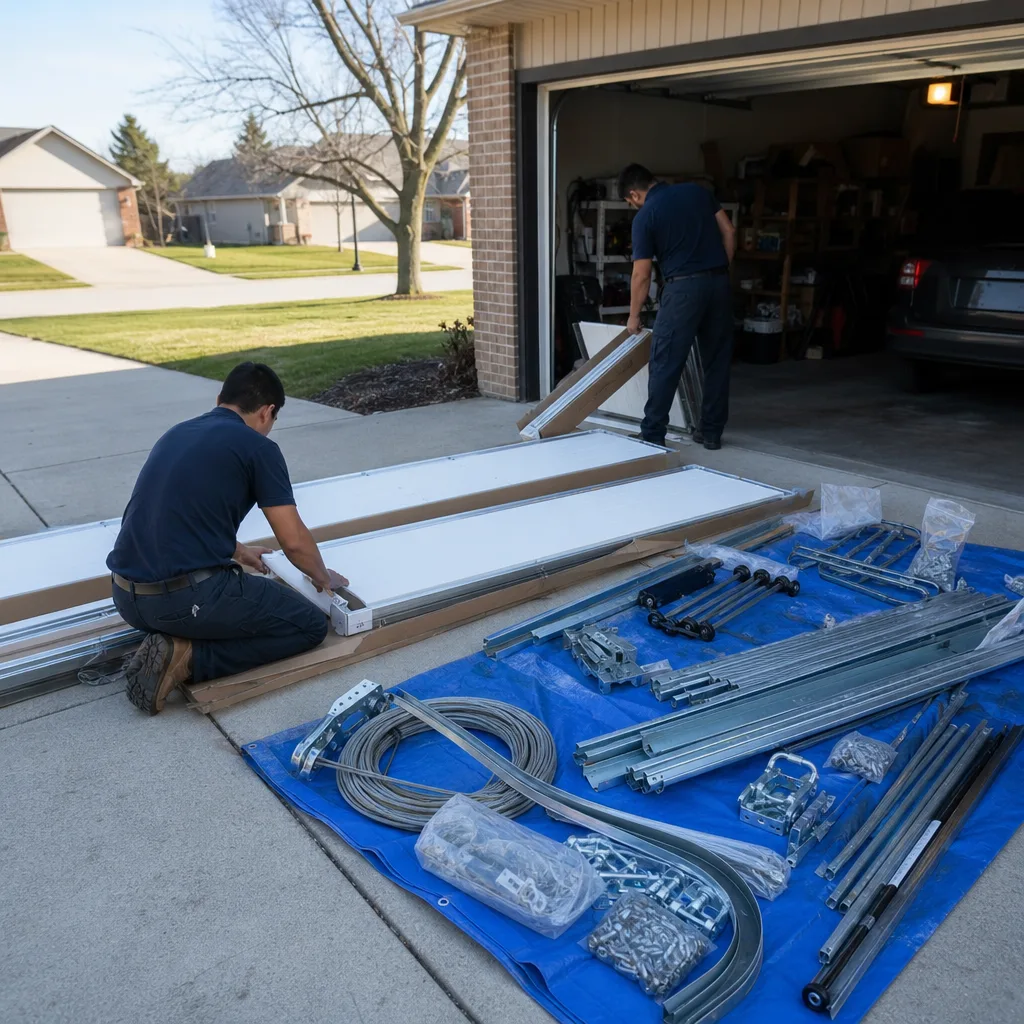
Last updated November 22, 2026
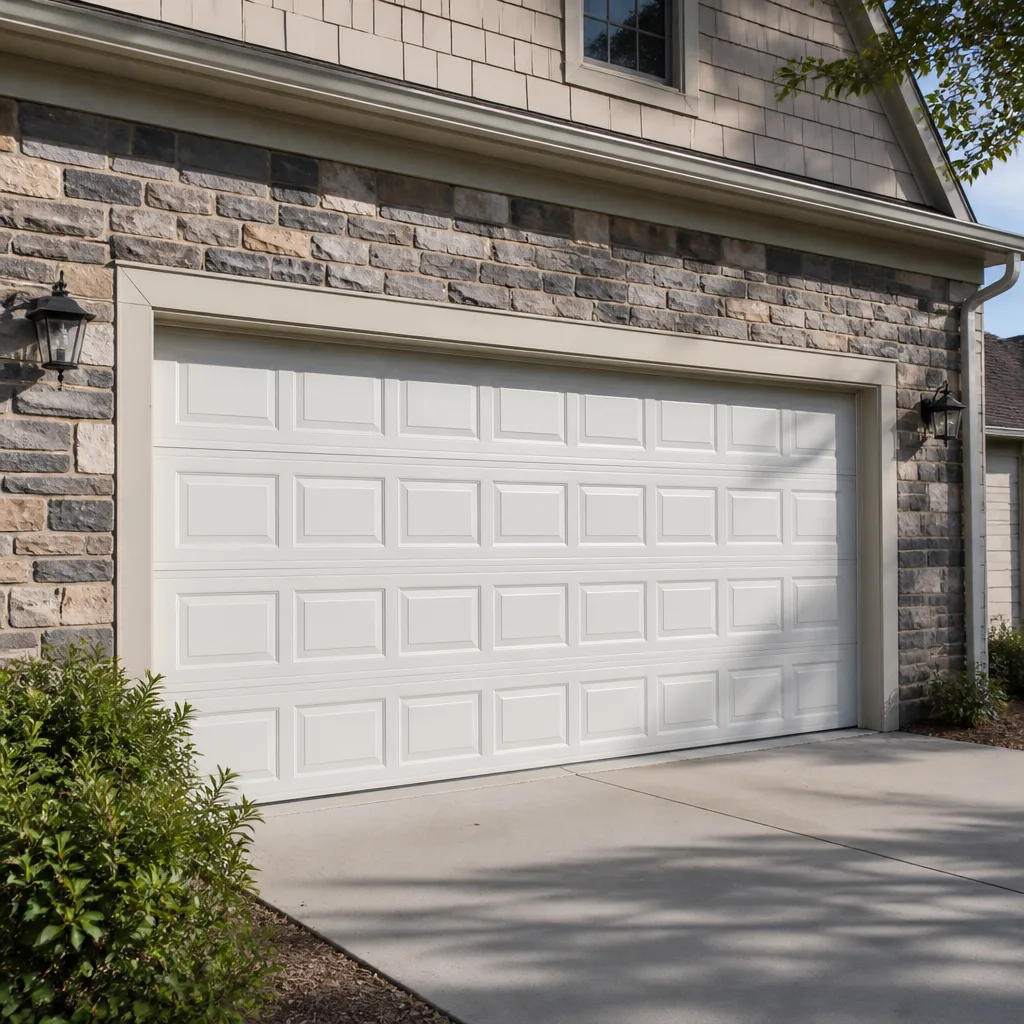 Raised-panel steel
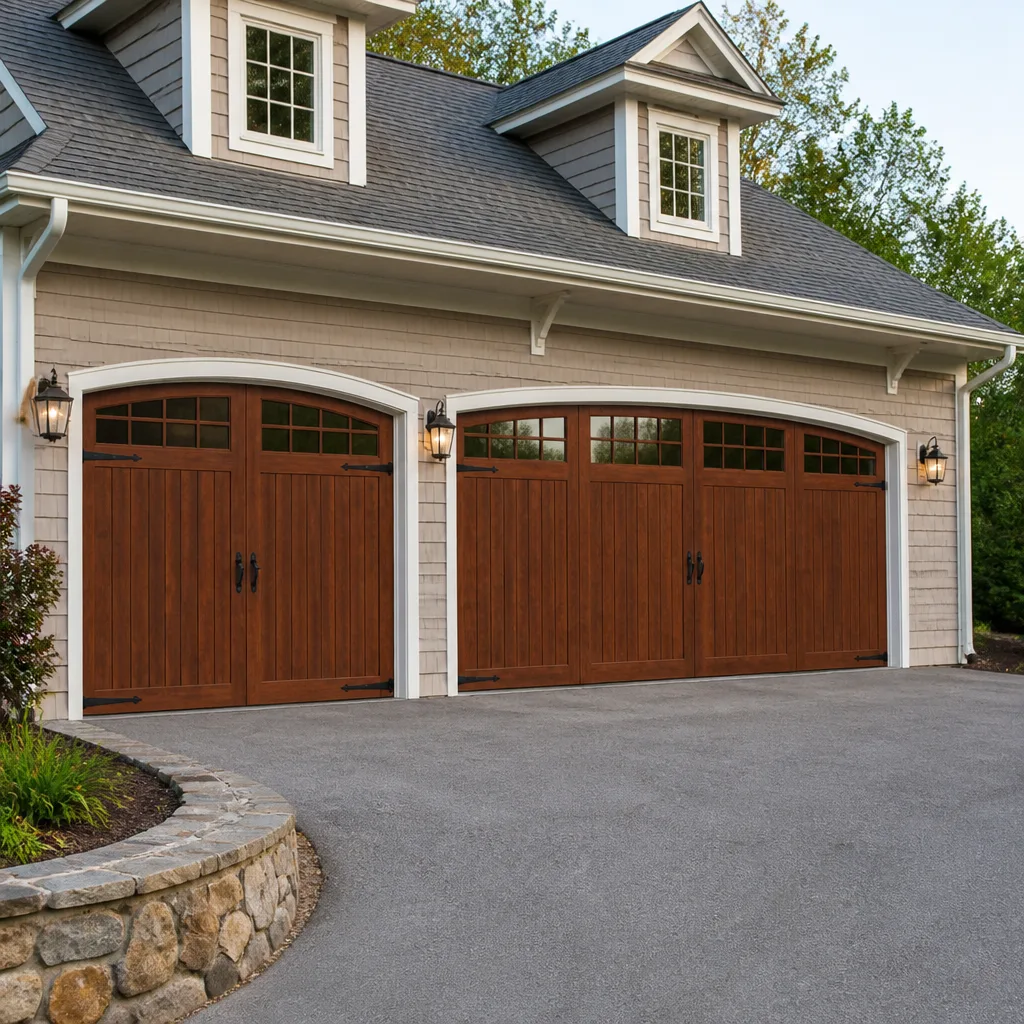 Carriage house
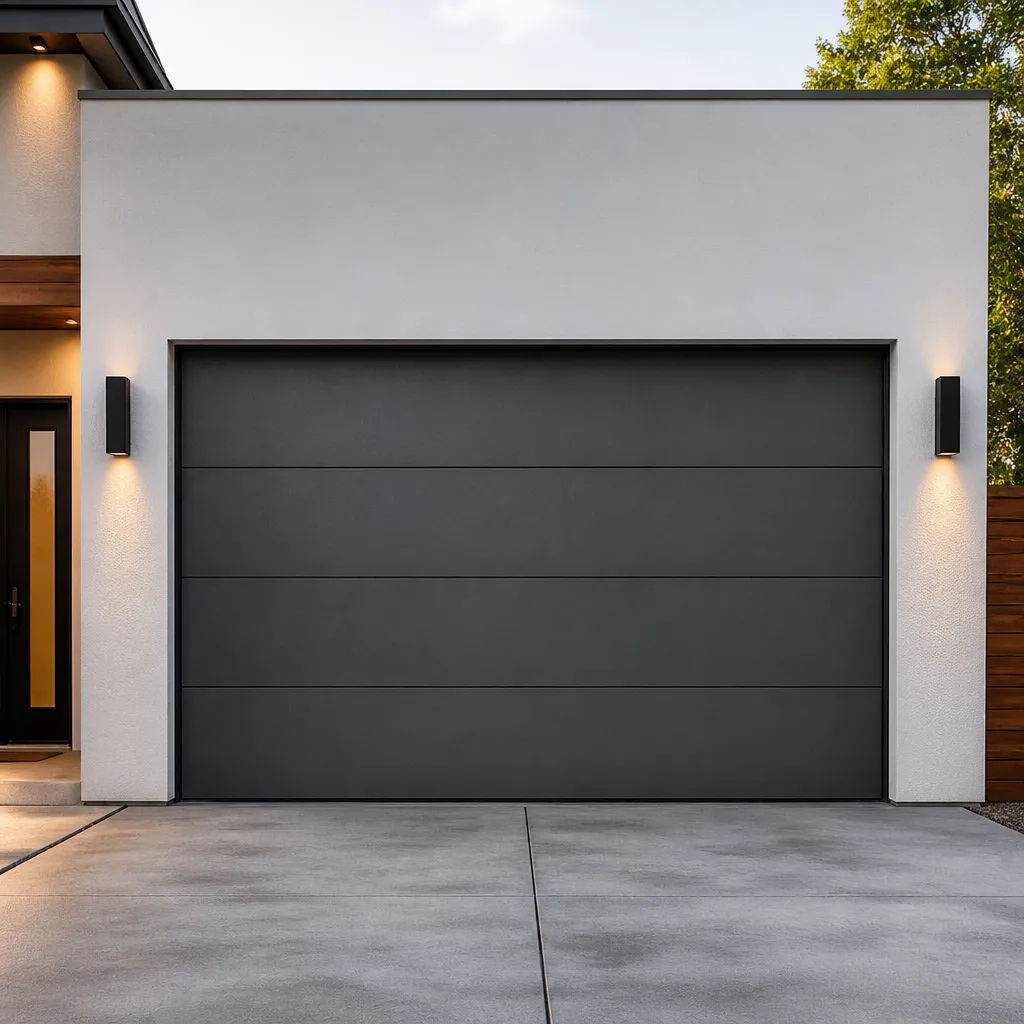 Modern flush
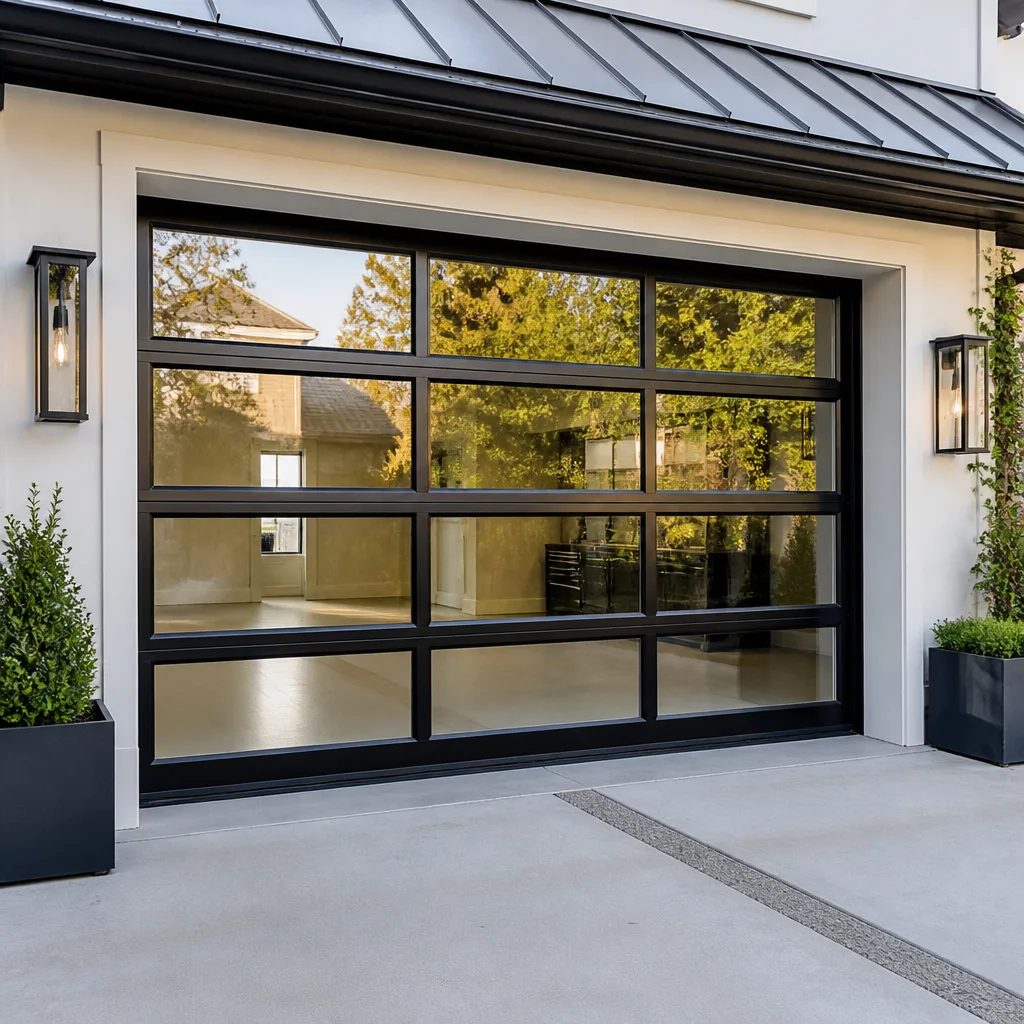 Full-view glass
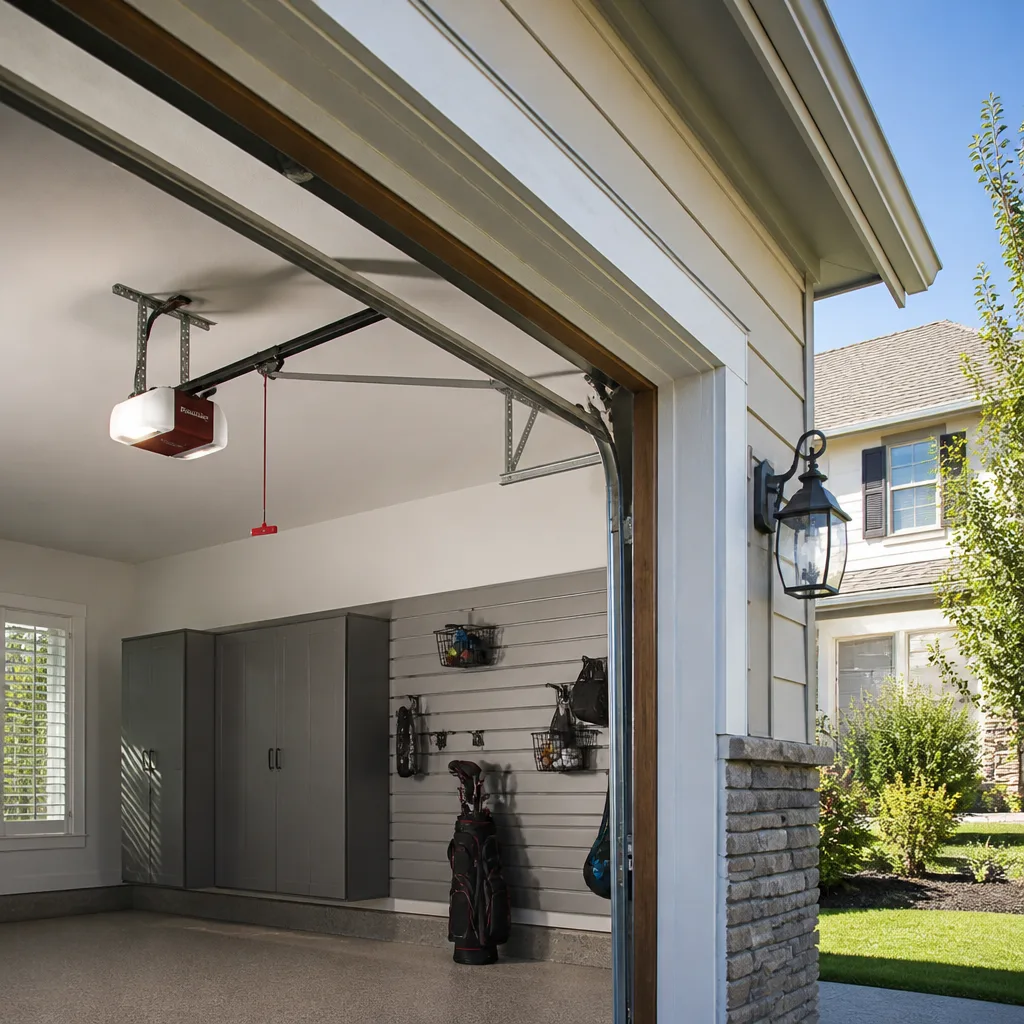 LiftMaster openers
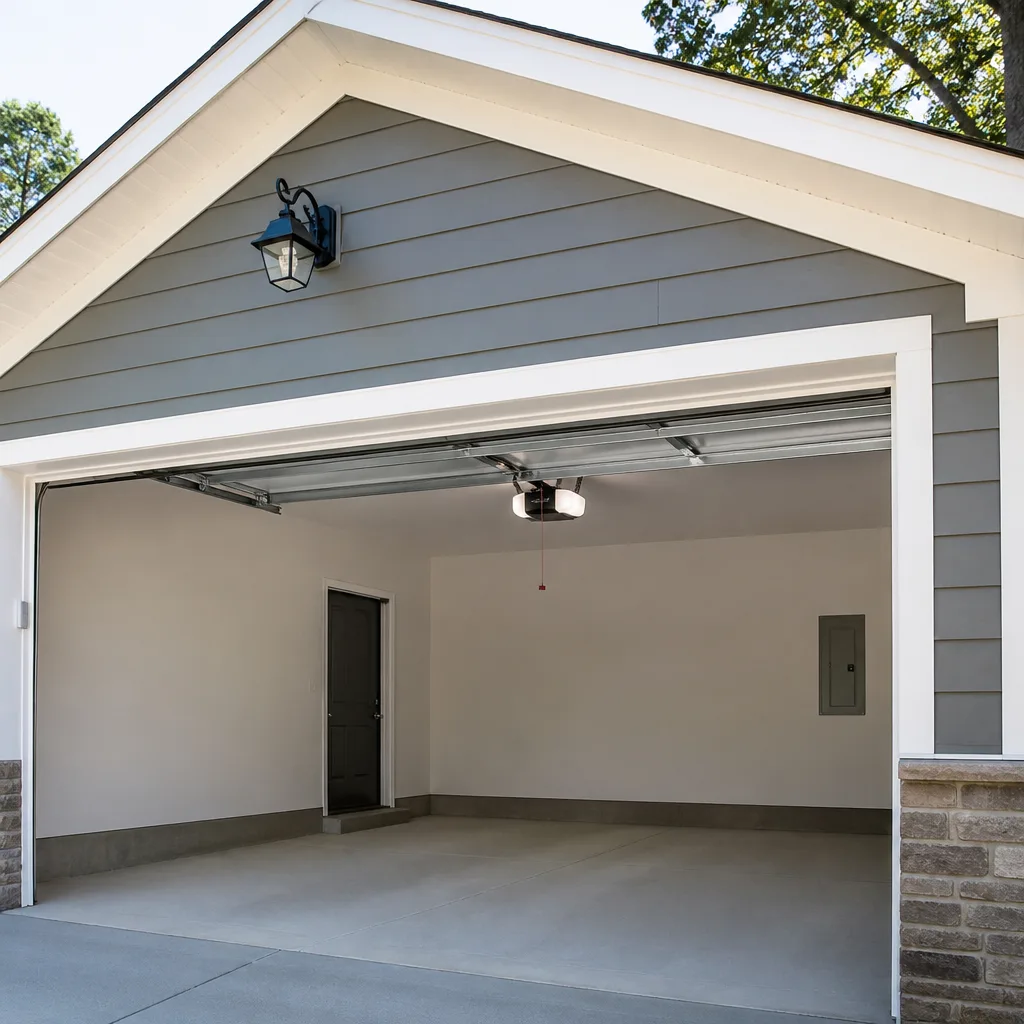 Chamberlain openers
Full 25-point door and opener safety check with every visit - springs, cables, rollers, tracks, and your LiftMaster or Chamberlain opener included
You get a price before we start. It does not change when the pro arrives.
Get your free estimateGarage Door Emergency Preparedness Guide for Lawrence Homes
Most garage door advice tells you what to do after the door fails. That’s backward. The homeowners who get through a midnight door failure calmly are the ones who thought about it in advance, and the difference shows up in how fast the problem gets contained, how much the repair costs, and whether the house sits open to the street overnight. In Lawrence, door failures cluster around hard temperature swings, summer storm fronts, and openers that have quietly aged past their useful life. This guide covers the three real categories of garage door emergency, the manual release steps for each opener type, what to document after storm damage, and the two things you can do this week to cut your risk before anything breaks.
Quick Answer
A garage door emergency in Lawrence means one of three things: a security breach (door stuck open or not closing fully), an entrapment risk (spring or cable failure with a door that could fall), or storm damage (dents, off-track panels, opener failure after an outage). Each needs a different first move. For a door stuck open, secure the opening first, then call for repair. For a spring or cable failure, keep everyone clear of the door and don’t force it. For storm damage, photograph everything before touching anything. Our technicians have up to 10 years of experience, and we offer same-day and emergency service at (844) 681-4256.
Styles & brands we work with
- Raised-panel steel
- Carriage house
- Modern flush
- Full-view glass
- LiftMaster openers
- Chamberlain openers
Table of Contents
- The Three Kinds of Garage Door Emergency (and Why the Response Differs)
- How to Manually Operate Your Garage Door During a Power Outage
- Immediate Security Steps When Your Door Won’t Close
- Storm Damage Triage: What to Inspect, Document, and Leave Alone
- Spring and Cable Failures: Why These Are the Dangerous Ones
- Pre-Emergency Prep: Two Things to Do This Week
- What to Have Ready Before You Call for Emergency Service
- What Emergency Repairs Typically Cost in Lawrence
The Three Kinds of Garage Door Emergency (and Why the Response Differs)
Here’s the part most homeowners never think through. A garage door emergency is not one problem with one answer. It’s three separate problems that happen to involve the same door, and mixing up the response is where things go wrong.
1. Security Breach
The door is stuck open, stuck partway, or won’t latch when closed. The house is exposed. The immediate priority is containing the opening, not fixing the door. That means parking a vehicle in front of it if you can, or manually lowering the door and blocking it, or covering the opening with a secured barrier until a technician arrives. The repair comes second.
2. Entrapment Risk
The door is up but unstable, or a spring or cable has failed, or the opener has died with the door raised. This is the category where someone gets hurt. A garage door under spring tension weighs well over 100 pounds in most residential sizes, and a door with a broken spring or snapped cable has lost the counterbalance that holds it up. The priority here is distance. Clear the area, keep children and pets out of the garage, and don’t try to force, prop, or lift the door.
3. Storm Damage
Wind has pushed a panel out of track, a limb has dented a section, or the power has cycled enough to confuse the opener’s travel limits. The priority is documentation before you touch anything, because the insurance conversation starts with what you can prove.
In our experience across Lawrence, the security and entrapment categories are the two that get mishandled. A homeowner who assumes a door stuck open is “just an inconvenience” often leaves it exposed overnight when a fifteen-minute containment would have closed the gap. And a homeowner who assumes a door stuck up is “fine until Monday” is standing under a door that could come down. Read the situation against the three categories before you do anything else.
How to Manually Operate Your Garage Door During a Power Outage
Every residential garage door opener has a manual release, and knowing where it is and how it works before the power goes out is the single most useful piece of preparedness you can have. The release works differently depending on the opener type, so this is one of the places where brand matters.
Chain-Drive and Belt-Drive Openers (LiftMaster, Chamberlain, Craftsman, Genie)
Most of these use a red or colored release handle hanging from a cord attached to the trolley carriage. The process is standard across them:
- Make sure the door is fully closed before you pull the release. If the door is up and you disengage the carriage, the door has nothing holding it but its springs.
- Pull the release handle straight down and toward the door. You’ll feel the carriage disconnect. On some units the handle disengages with a firm tug; others need a slight angle.
- Lift the door by hand to about halfway, then let go. If the door rises on its own or falls, the spring system is out of balance and you should not operate the door manually until it’s serviced.
- To re-engage, raise the door by hand until the carriage clicks back into the trolley. On units with a self-engaging trolley, running the opener once with the door in the closed position will usually re-latch it.
Screw-Drive and Older Units
Older units and some screw-drive openers use a similar release carriage but with a different engagement style. If you can’t find the release handle or the carriage won’t re-engage, don’t force the trolley. This is a call-the-technician situation, and it’s one of the reasons we work on Chamberlain, LiftMaster, Genie, and Craftsman systems specifically: the manual release behavior varies by model, and we know these units before we arrive.
Side-Mount and Jackshaft Openers
Wall-mounted openers like the LiftMaster 8500 series use a release that disengages the motor from the torsion bar rather than a trolley. The release is usually a lever or a pull chain on the side of the unit. Disengage it the same way conceptually: door closed first, then release. These are less common in homes but common enough in newer Lawrence construction that it’s worth checking which one you have.
A caution for all systems: if the door is already up and the opener has failed, do not pull the release to “let it down gently.” An unbalanced door will drop, and you can’t hold it. Call for emergency service instead, and keep the garage clear in the meantime.
Immediate Security Steps When Your Door Won’t Close
A door that won’t close fully is the most common garage door emergency we hear about, and it’s the one where the right temporary fix is easy once you know what to check. The cause is usually one of four things: a blocked safety sensor, an obstruction the opener is detecting, a travel limit issue, or a physical binding problem.
Step 1: Check the Safety Sensors First
The two small sensors near the floor on each side of the opening need to see each other. If one is knocked out of alignment, blocked by a recycling bin or a kid’s toy, or covered by a spider web or dust, the door will reverse or refuse to close. Wipe both lenses, check that the indicator lights are steady (not flashing), and clear the path between them. This single check resolves the large majority of “door won’t close” calls, and it’s worth doing before you pick up the phone.
Step 2: Look for an Obstruction
Check the tracks for debris, and look at the bottom edge of the door for anything caught between the door and the floor. A door that closes partway and reverses is telling you it sees something.
Step 3: Check the Travel Limits
If the door closes almost all the way and then reverses, the down limit may have drifted. On most modern openers this is a small adjustment on the unit, but if you aren’t sure which setting you’re changing, leave it for a technician. A misadjusted limit can cause the door to close too hard on something in its path.
Temporary Containment While You Wait
If you can’t get the door closed and you need the house secured:
- Manually lower the door with the opener disengaged (door closed first if you can, per the section above), and block it from being lifted with a bar or brace across the inside of the tracks.
- If the door won’t lower at all, park a vehicle close to the opening if that’s practical, and keep interior doors to the house locked.
- Don’t prop the door open with anything you can’t remove quickly. A door held partway by a tool is a door at risk of coming down.
If the panel is damaged or off-track, or the springs are involved, don’t do the temporary lowering yourself. Call for garage door repair and stay clear.
Storm Damage Triage: What to Inspect, Document, and Leave Alone
Severe weather in the Lawrence area tends to bring wind and falling limbs more than anything else, and a garage door takes the hit more often than people expect because it’s the largest moving flat surface on the house. After a storm, the temptation is to go out and start straightening things. Do the inspection first and save the repairs for the technician.
What to Inspect (From the Ground, With the Door Closed)
- Panels: Look for dents, creases, or panels that have popped out of the horizontal seams. A dented steel panel on an Amarr or Clopay door is usually repairable as a section replacement, not a whole-door replacement, but that call needs eyes on it.
- Tracks: Stand to the side and sight down the vertical tracks. If either one is bent or bowed, the door is at risk of coming out of the track when it moves.
- Hinges and rollers: Look for popped hinges or rollers that have jumped the track. Don’t push them back in by hand.
- The opener: If the power cycled during the storm, the opener may need its travel limits reset. Test the door once with the opener and watch it all the way through the cycle.
What to Document
- Photograph every damaged area from multiple angles, including a wide shot showing the whole door and a close shot of each dent or bend.
- Photograph the tracks and any debris that hit the door, if it’s still in place.
- Note the date and approximate time of the storm.
- Keep any receipts for temporary repairs or containment materials.
What Not to Touch
- Any door that has come off its track. A door that’s out of track under tension can swing or fall without warning.
- Anything involving the springs or cables. These are the parts that cause serious injury, and storm damage makes them more unpredictable, not less.
- Bent tracks. Straightening a track by hand is a common DIY mistake that turns a track replacement into a panel replacement.
If the door is off-track, hanging, or not closing after a storm, that’s the time to call for emergency service. We can work with your insurer on storm-related repairs, and we’ll give you a written estimate before any work starts.
Spring and Cable Failures: Why These Are the Dangerous Ones
Springs and cables are the parts of a garage door that hold it up, and they’re the parts that fail without warning. A torsion spring that breaks will usually let go with a loud bang and leave the door too heavy to lift. An extension spring can snap and fly. A cable that fails can whip. The failure itself is startling, but the real danger is what happens next if someone tries to operate the door.
This is why spring work is a dedicated service for us, and why we treat it as the highest-risk repair on the list. Our technicians have up to 10 years of experience with tension systems, and we work on the springs behind LiftMaster, Chamberlain, Genie, Clopay, Amarr, Wayne Dalton, Craftsman, and Raynor systems. Spring repair is one job where taking the time to match the right spring to the door’s weight matters more than speed, because a mismatched spring will fail again and wear out the opener in the meantime.
What to Do If a Spring Breaks
- Keep everyone out of the garage. Don’t open or close the door, by opener or by hand.
- If the door is already up, leave it up and stay clear. Don’t pull the manual release.
- Disconnect the opener from the door if you can reach the release safely and the door is fully closed, so nobody accidentally runs it.
- Call for garage door spring repair. Describe which spring broke (left, right, torsion or extension) and whether the door is up or down.
One pricing note that surprises people: springs are priced per spring, and most failures lead to replacing both at once because they wear at the same rate. A matched pair costs roughly twice the single-spring price. We’ll tell you which you need before we start, and the written estimate sets the final price.
What to Do If a Cable Fails
A snapped cable is a stop-everything failure. The door may look fine and be completely unsafe to move. Keep it closed, keep people clear, and call. Don’t try to re-run the cable yourself; the tension on a loaded torsion system is not something to handle without the right tools and training, and the injury risk is real.
Pre-Emergency Prep: Two Things to Do This Week
Preparedness is mostly two small actions, and both take under twenty minutes. Do them before anything breaks and you’ll be ahead of most homeowners in Lawrence.
1. Find and Test Your Manual Release
Locate the release handle (or side-mount lever), make sure the cord isn’t tangled or out of reach, and test that you can disengage and re-engage the carriage with the door closed. Do this once with the power on and the door all the way down. Once you’ve done it once, you’ll know what re-engagement feels like and you won’t be guessing at 11 PM in a power outage. If the release is stuck, rusted, or won’t re-engage, that’s a call we should take before the next outage.
2. Test the Safety Sensors and Balance
Close the door and watch the sensors; both indicator lights should be steady. Then, with the door closed, pull the manual release and lift the door halfway. Let go. A properly balanced door holds its position or drifts only slightly. A door that rises on its own or falls means the springs are out of balance or near failure. Re-engage the door and call for a service check. This is the test that catches spring problems before they become emergencies, and it’s worth running once a year.
While you’re at it, look at the sticker on the opener and write down the model. When you call for garage door opener repair, knowing the model and brand means we can show up with the right parts and the right diagnostic, instead of looking it up on arrival.
What to Have Ready Before You Call for Emergency Service
The faster the technician can understand the situation, the faster the door gets fixed. Have these ready before you pick up the phone:
- Your address and whether the door is up, down, or stuck partway. This decides the safety instructions and the parts needed.
- The opener brand and model. LiftMaster, Chamberlain, Genie, and Craftsman units each have different manual release behavior and different parts. The model is on the back or side of the opener housing.
- The door brand if you know it. Clopay, Amarr, Wayne Dalton, Raynor, and other manufacturers use different panel and track hardware, and the brand helps us bring the right hardware.
- What you’ve noticed: a loud bang, a grinding noise, the door reversing, a cable hanging, a wheel off the track, the opener running but the door not moving.
- Whether the door is secured or exposed right now. If the house is open to the street, say so, and we’ll prioritize accordingly.
- Whether anyone is in danger. If someone is trapped or the door is unstable, clear the area first and call.
Emergency service is a real offering on our end, not a marketing phrase, and knowing the brand and model up front is the difference between a one-visit fix and a callback. We work on your brand, whether that’s a LiftMaster opener or a Clopay door, and we’ll give you the price before we start.
What Emergency Repairs Typically Cost in Lawrence
Emergency garage door repair pricing depends mostly on which of the three categories you’re in and which parts are involved. Here’s how the typical repair costs break down for Lawrence homeowners. These are estimates, and the written estimate we give you before work starts is the final price.
| Repair Type | Typical Estimated Cost |
|---|---|
| Single torsion or extension spring replacement (per spring) | $180 – $340 per spring |
| Matched spring pair (both replaced together) | Roughly twice the single-spring price |
| Safety sensor alignment or replacement | $100 – $200 |
| Opener repair or component replacement | $150 – $450 depending on the part |
| Cable replacement | $150 – $300 |
| Track straightening or replacement | $150 – $350 per side |
| Panel replacement (single section) | $250 – $600 depending on brand and size |
| Full opener replacement | $350 – $800 depending on model and drive type |
Two things drive the range: parts (a matched spring pair costs about twice a single spring; a Clopay or Amarr panel is priced by the section) and whether the repair is straightforward or the door has compound damage. A door that came off track in a storm often needs track work plus a panel plus a rebalance, and that’s a higher total than a single spring.
What you’ll never get from us is a price that changes once the work starts without your approval. We quote before we start. If we find something the initial diagnosis missed, we stop and tell you before we touch it.
Common Mistakes to Avoid
- Pulling the manual release with the door up. This is the single most common way homeowners turn a stuck door into a dangerous one. The door is only held by its springs once the carriage disengages, and an unbalanced door will fall.
- Forcing a door that’s off-track. Running a door that’s come out of its track will bend panels, damage hinges, and can bring the door down. Leave it and call.
- Standing under a door held up by a failing spring. A broken spring can look like the door is “just fine” because it’s up. It isn’t. Clear the area until it’s inspected.
- Assuming a door stuck open is only an inconvenience. In Lawrence, a door stuck open overnight is an open invitation to the house. Secure the opening first, then call for repair.
- Adjusting travel limits without knowing which setting is which. A misadjusted down limit causes the door to close too hard on an obstruction, which is how damage and injuries happen. If you aren’t sure, leave it.
- Not documenting storm damage before cleanup. Once debris is moved and the door is straightened, the insurance conversation gets harder. Photograph everything first.
- Calling without the opener model. It seems small, but brand and model determine the parts and the manual release behavior. Having it ready saves a visit.
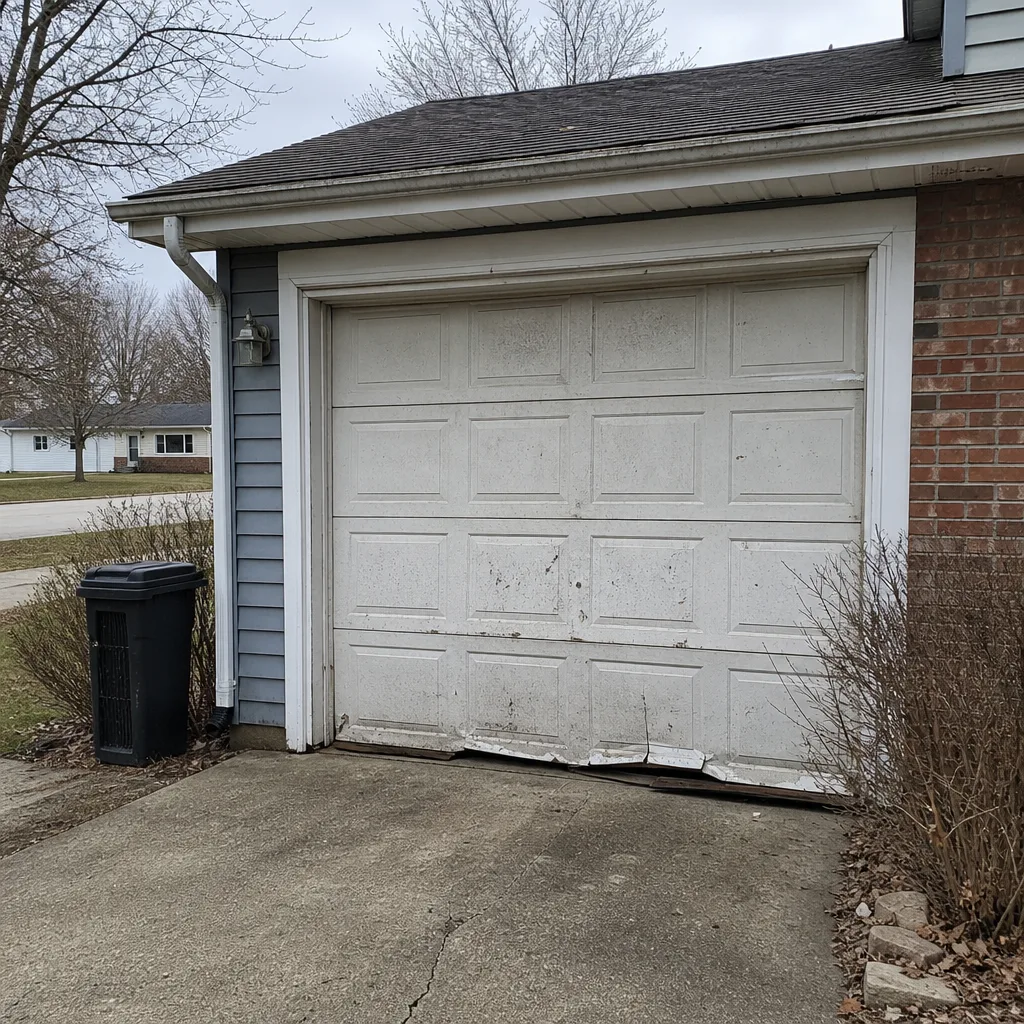
See the difference
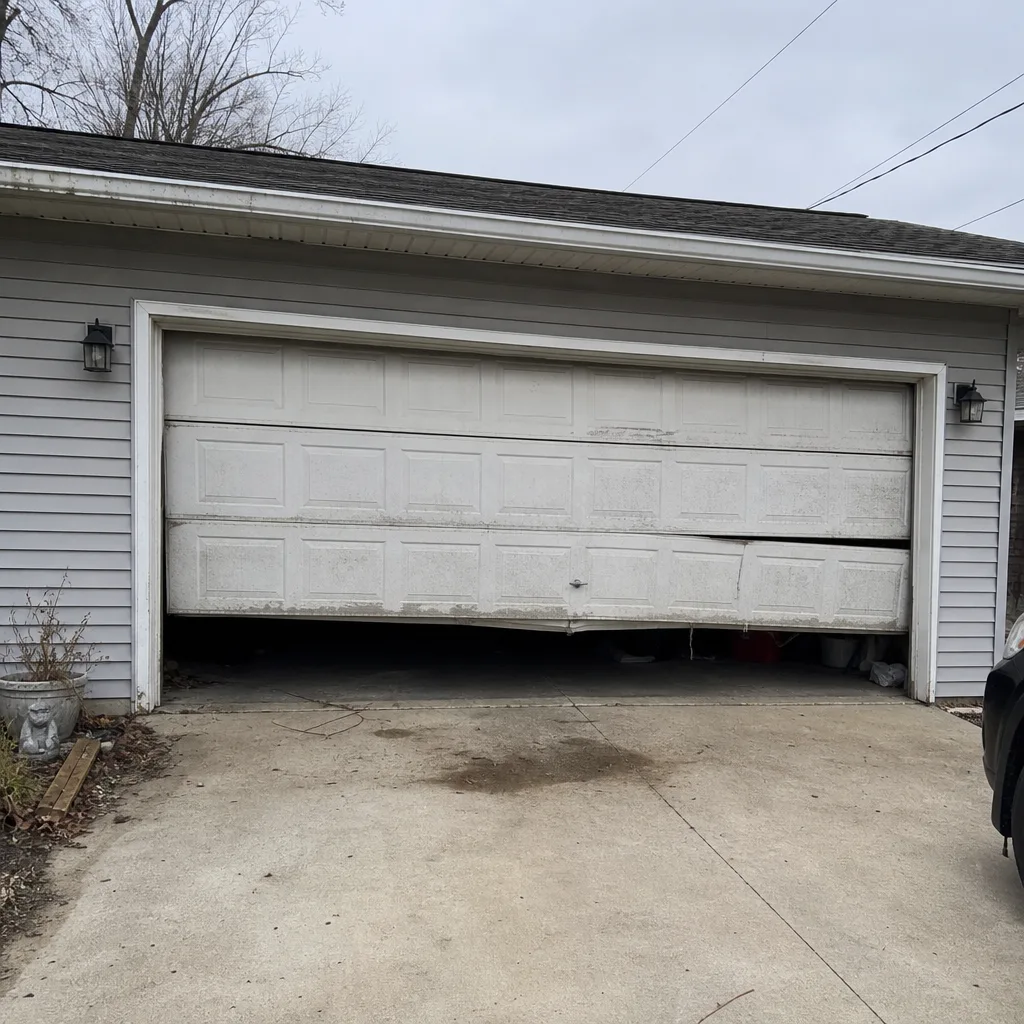 Before
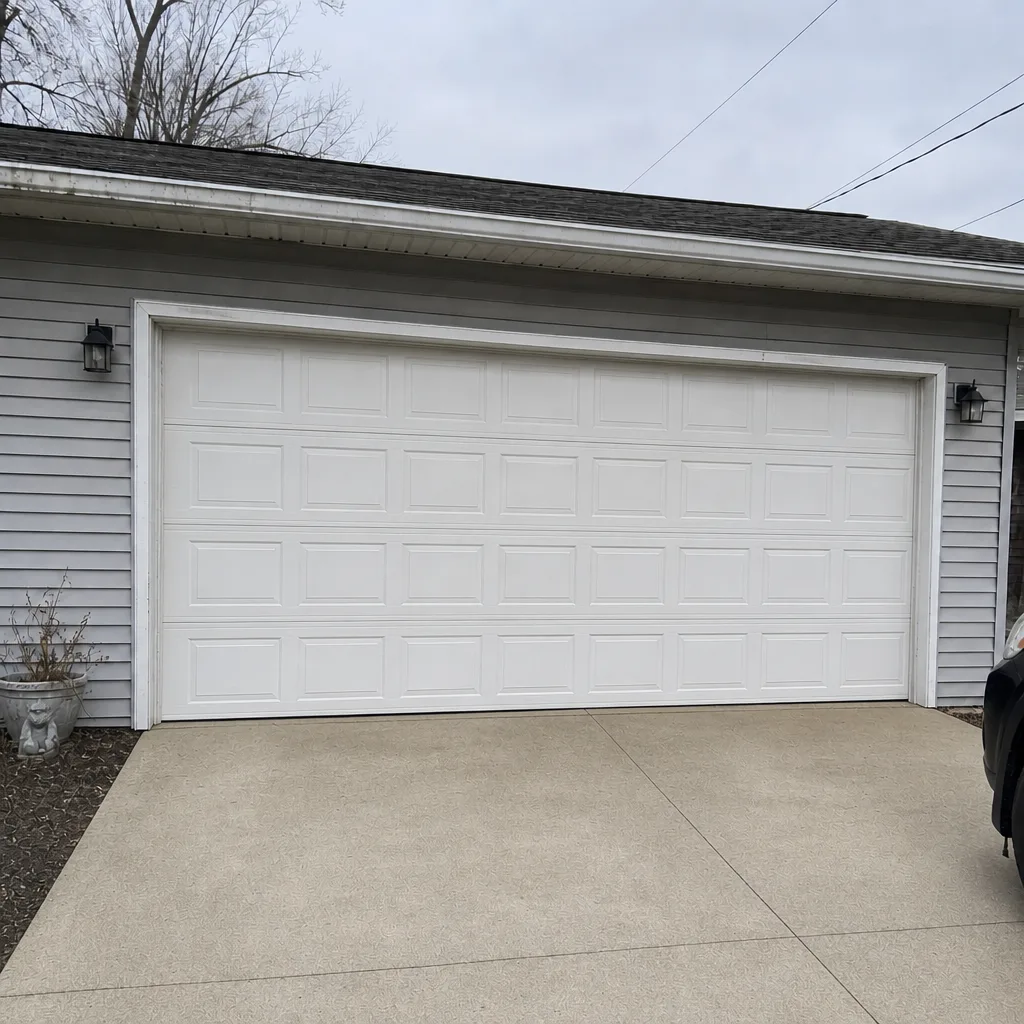 After
 Before
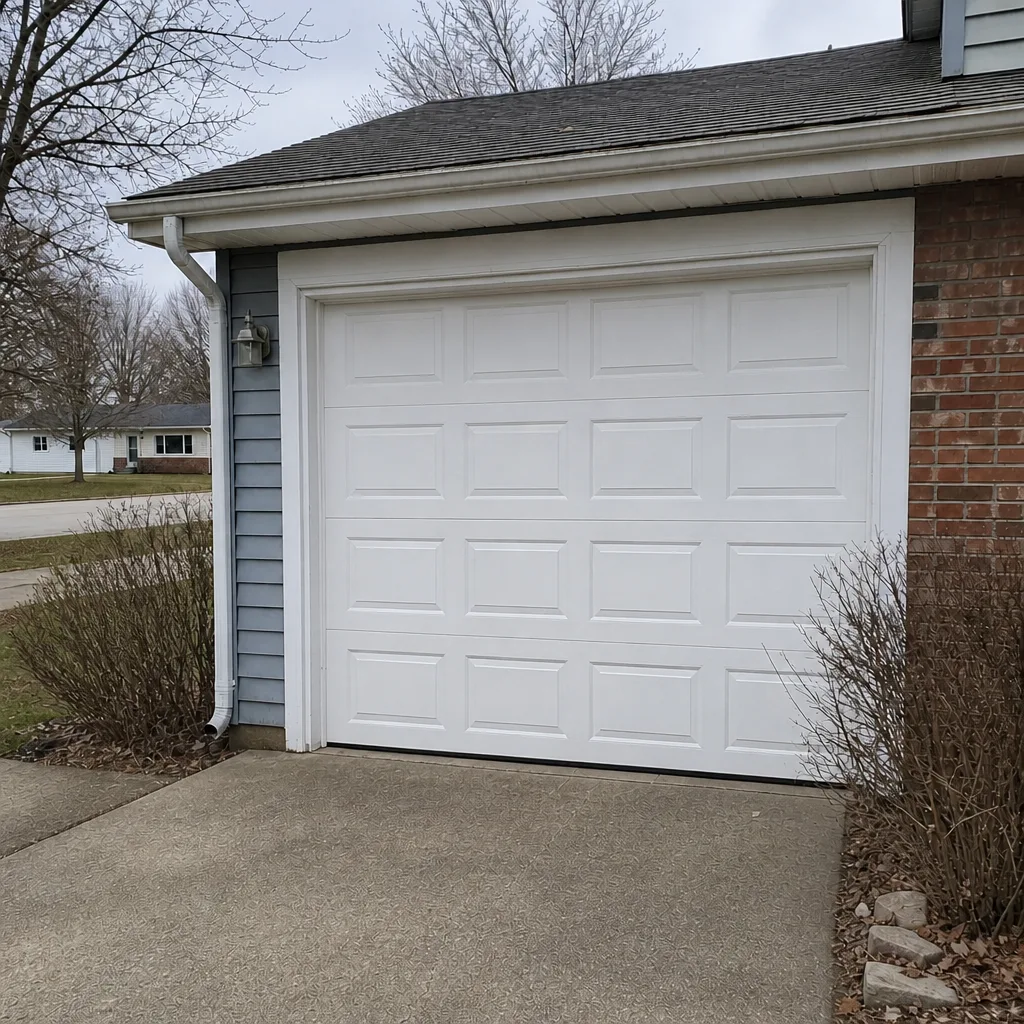 After
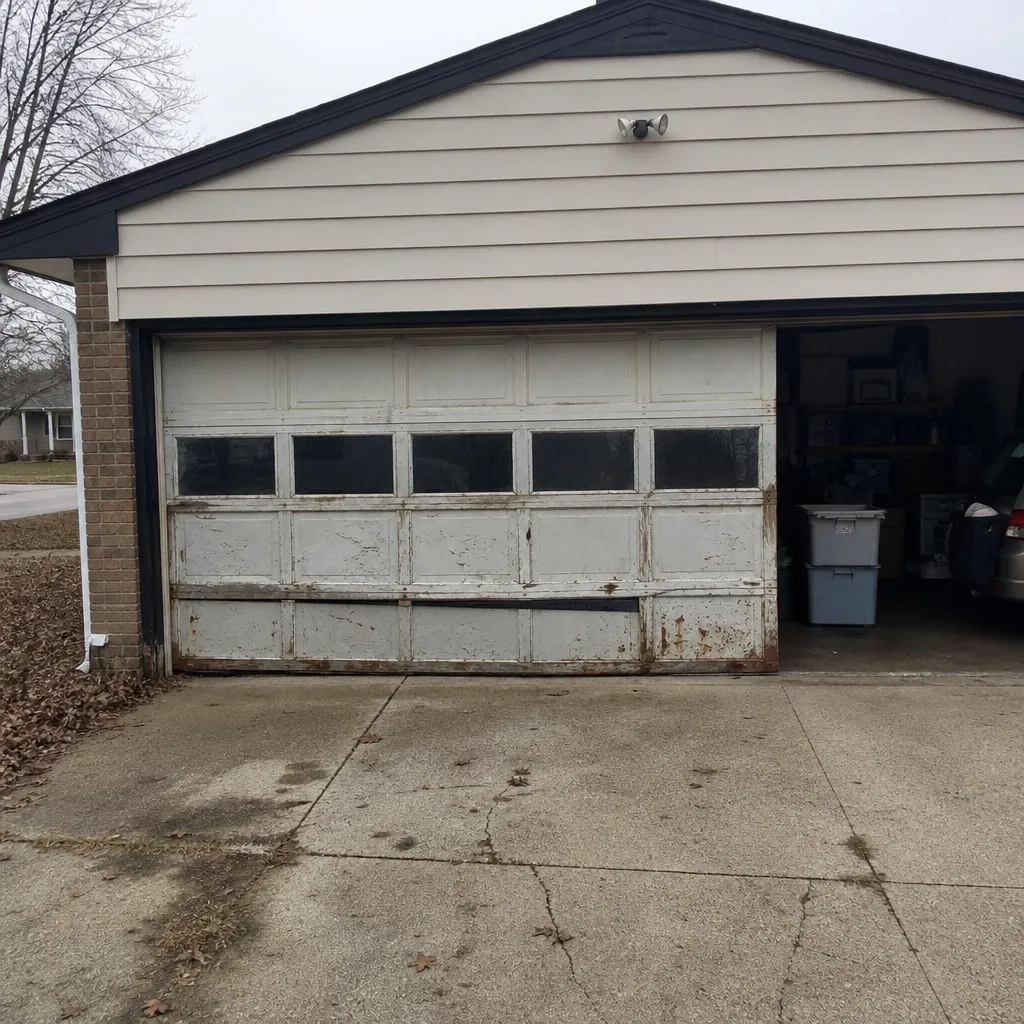 Before
 After
When to Call a Professional
Some garage door problems are a sensor wipe and a five-minute check. Others are a call. Call us when the door is off-track or hanging, when a spring or cable has failed, when the door won’t close and the sensor and obstruction checks didn’t resolve it, when the opener runs but the door doesn’t move, or when storm damage has bent a panel or track. Any of those, and someone with training should be the one to handle it. Our technicians have up to 10 years of experience and work across LiftMaster, Chamberlain, Genie, Clopay, Amarr, Wayne Dalton, Craftsman, and Raynor systems, so there’s no guessing about your model. We offer free estimates in Lawrence and same-day and emergency service. Garage Door Repair Lawrence Pros can be reached at (844) 681-4256, with fast dispatch from 7am to 7pm and a satisfaction guarantee on the work. The price is quoted and agreed before any work starts.
Frequently Asked Questions
Check the safety sensors first. Wipe both lenses, make sure neither is knocked out of alignment or blocked by a bin or toy, and confirm both indicator lights are steady. That resolves most “won’t close” problems. If the door still won’t close, secure the opening temporarily and call (844) 681-4256 for an exact quote; estimates are free.
Yes, but only with the door fully closed before you pull the release. Every residential opener has a manual release: a red handle on most chain- and belt-drive units, a lever or chain on side-mount openers. Disengage with the door down, lift by hand, and re-engage by raising the door until the carriage clicks back in. If the door rises or falls on its own once disengaged, the springs are out of balance and you shouldn’t operate it manually.
Typical emergency repairs in Lawrence run from about $100 for a sensor replacement to $800 or more for a full opener or multi-part storm repair. A single spring is typically $180 – $340, and a matched pair runs about twice that. The written estimate sets the final price. Call (844) 681-4256 for an exact quote; estimates are free.
Yes. The springs hold the full weight of the door, and a failed spring leaves the door too heavy to lift safely and at risk of falling. Keep everyone out of the garage, don’t run the opener, don’t pull the release if the door is up, and call for spring repair. Don’t attempt to replace or adjust springs yourself.
Often it will, if the damage came from a covered event like wind or a falling limb. Document everything with photos before you clean up, keep receipts for any temporary containment, and contact your insurer. We can work with your insurer on the repair side and give you a written estimate you can submit.
Yes, same-day and emergency service is a real part of what we offer, with fast dispatch from 7am to 7pm. Have your address, whether the door is up or down, and the opener brand and model ready when you call. Call (844) 681-4256 for an exact quote; estimates are free.
The Bottom Line
Garage door emergencies in Lawrence come in three forms, and each has a different first move: secure the opening for a security breach, clear the area for an entrapment risk, and document everything for storm damage. The spring and cable failures are the dangerous ones, and the right response is always distance and a call. The two best things you can do this week are find your manual release and run the balance test, because both take minutes and both catch problems before they turn into emergencies. If the door is off-track, hanging, or won’t close after the sensor check, that’s the time to call. We work on your brand, quote the price before we start, and offer same-day and emergency service.
For emergency garage door service in Lawrence, or a free estimate on a repair that can’t wait, call Garage Door Repair Lawrence Pros at (844) 681-4256. We’ll quote the work before anything starts and stand behind it with a satisfaction guarantee. Whether it’s a LiftMaster opener that won’t run, a Clopay panel that came loose in a storm, or a spring that let go at the worst time, we know these systems and we’re ready. Garage Door Repair Lawrence Pros is here when the door can’t wait.
Written by the team at Garage Door Repair Lawrence Pros.