Last updated November 22, 2026
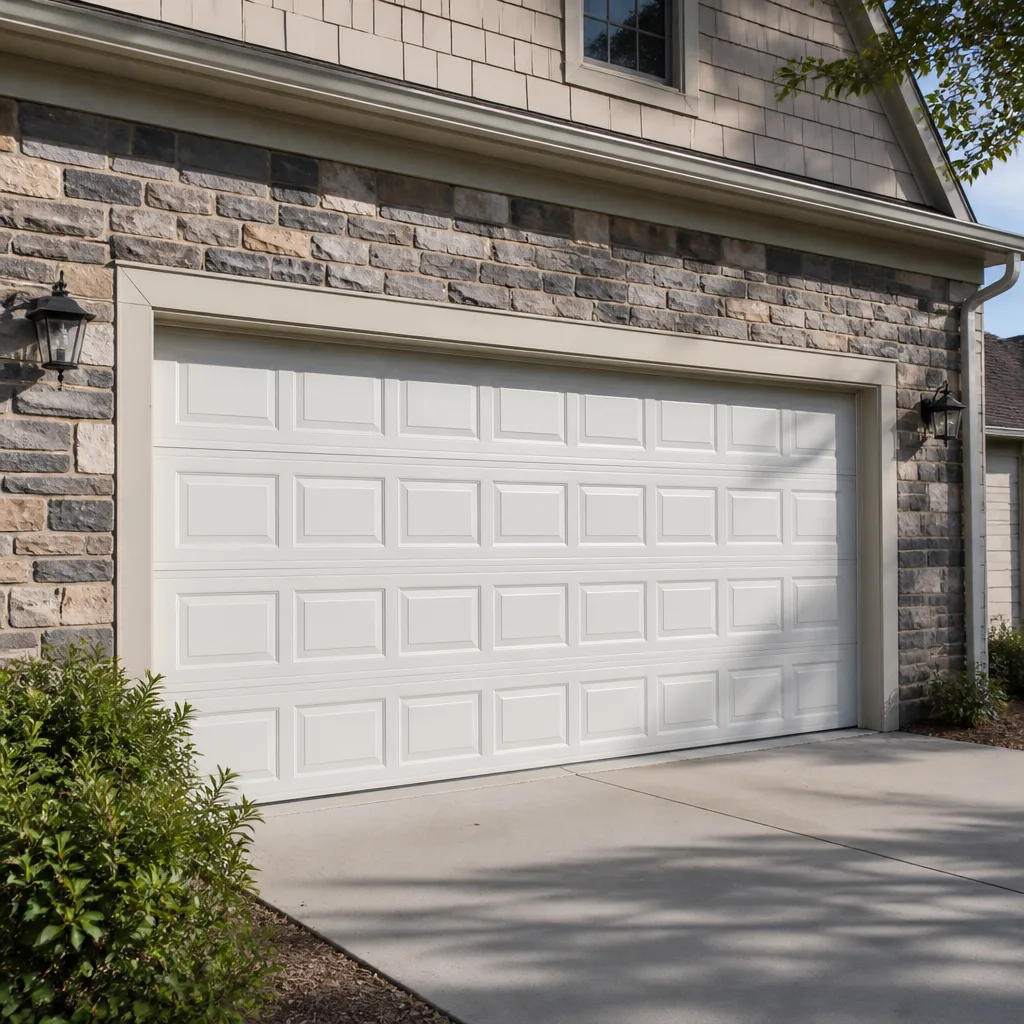 Raised-panel steel
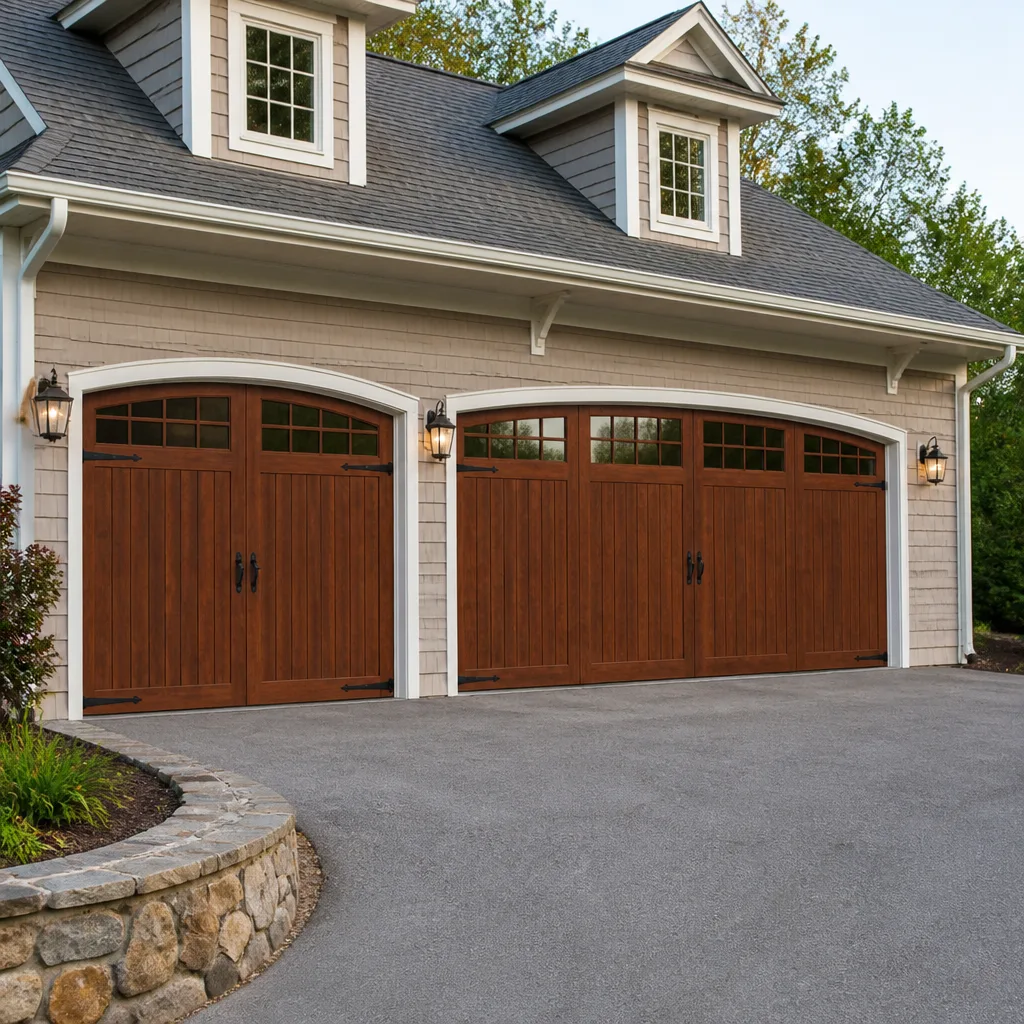 Carriage house
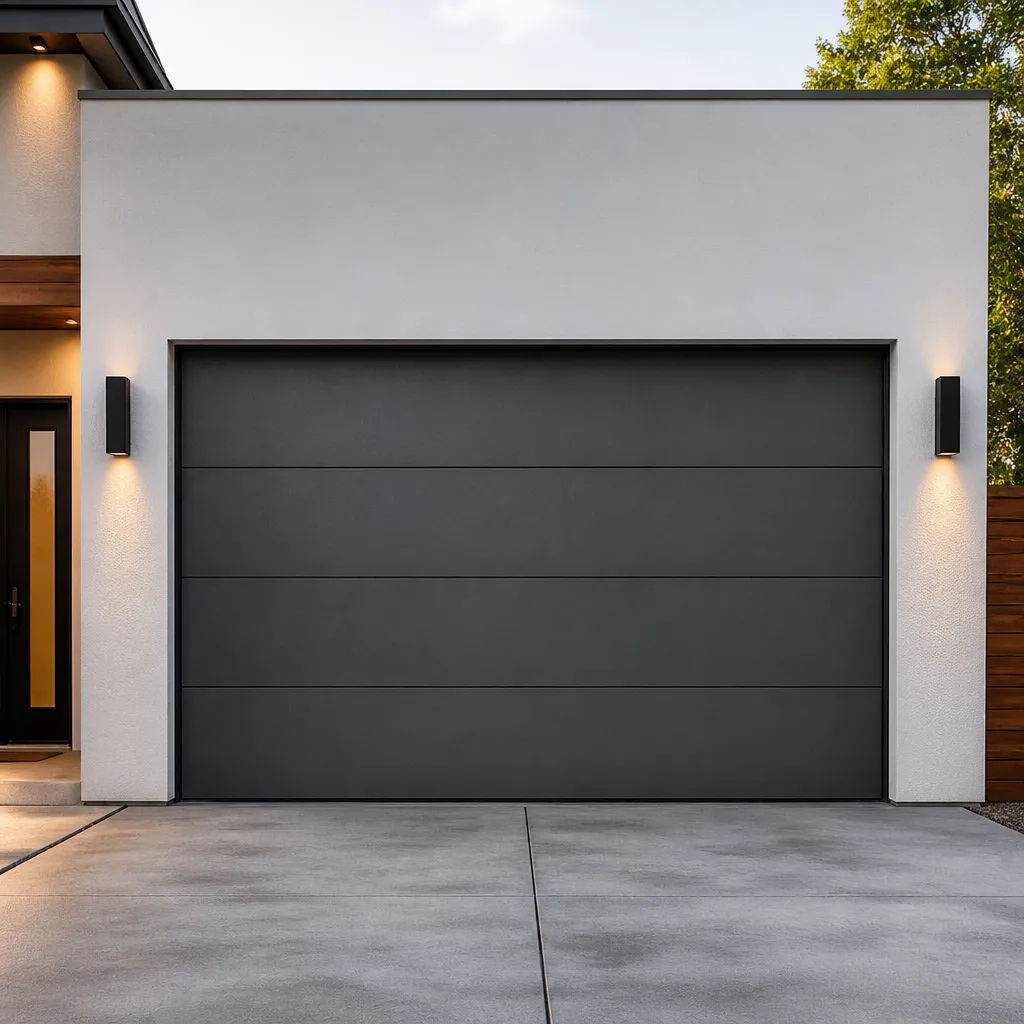 Modern flush
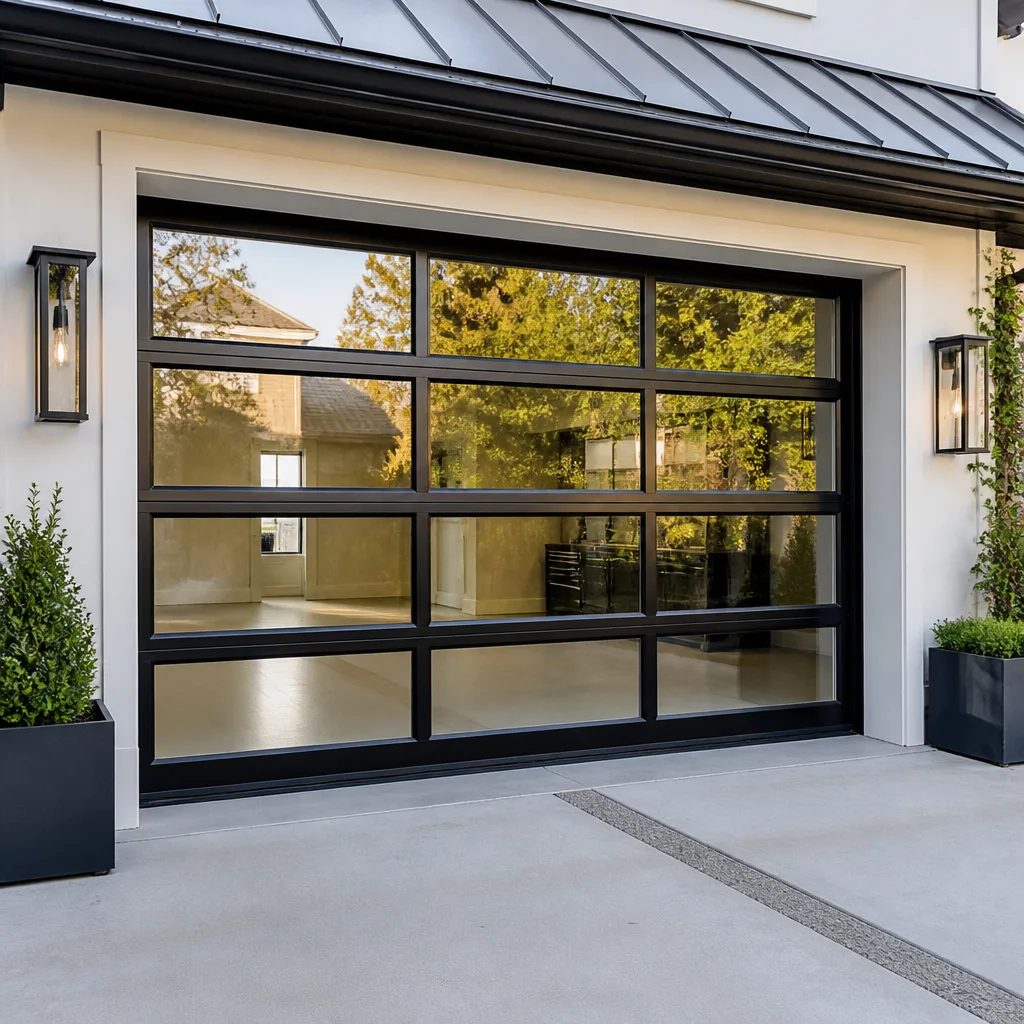 Full-view glass
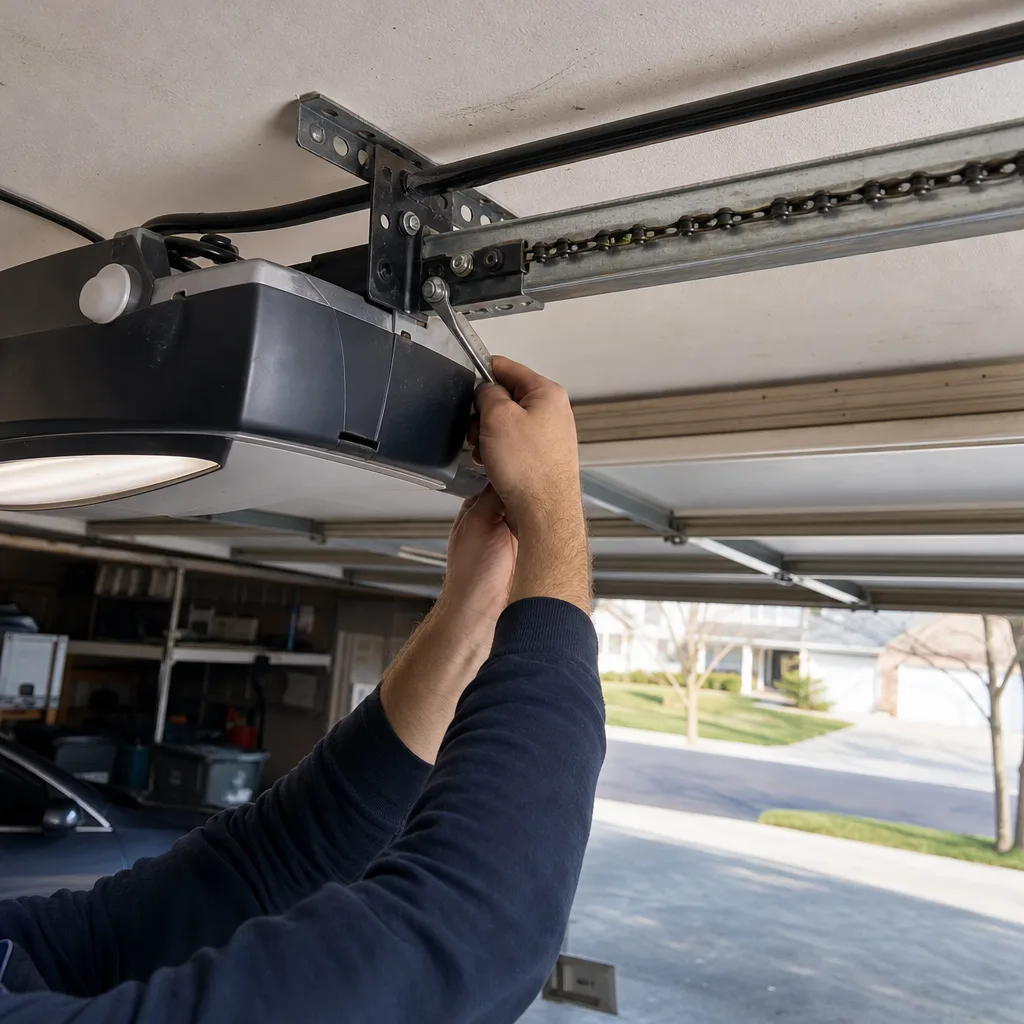
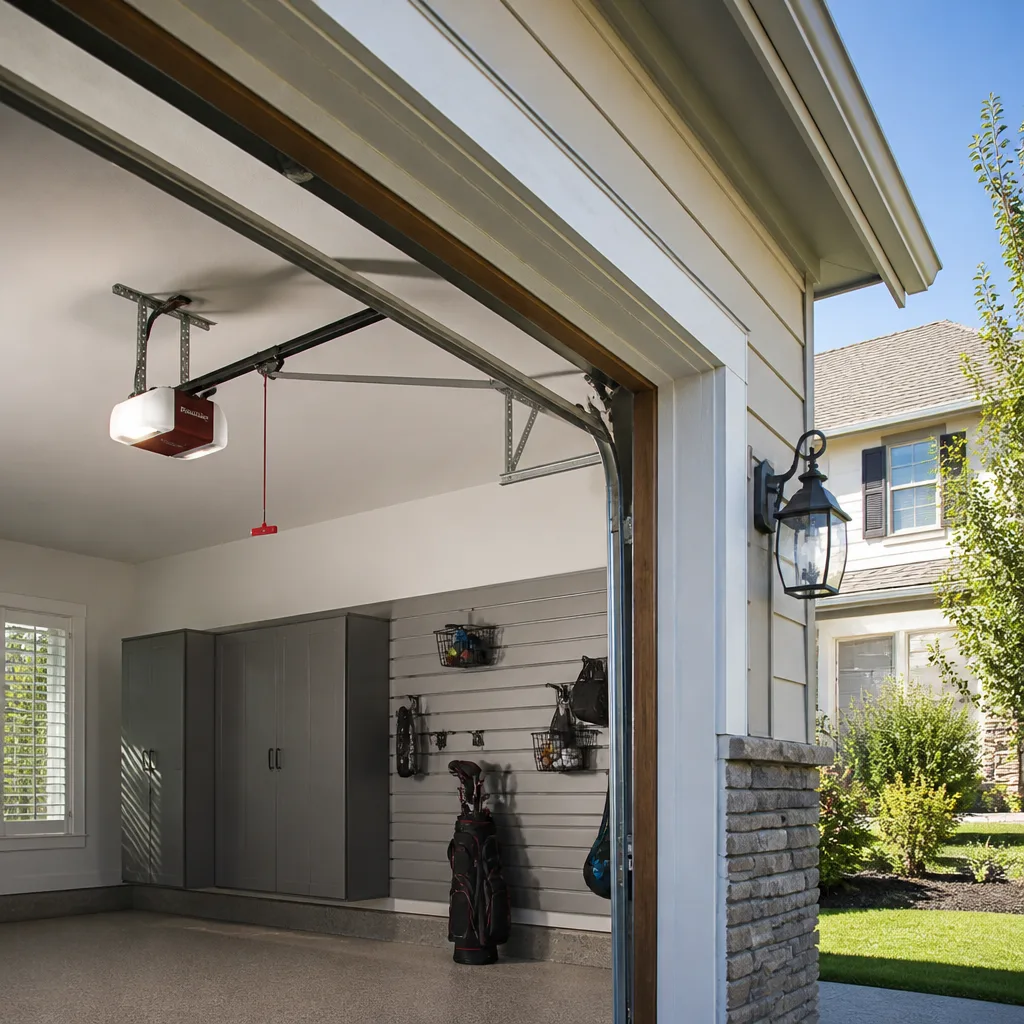 LiftMaster openers
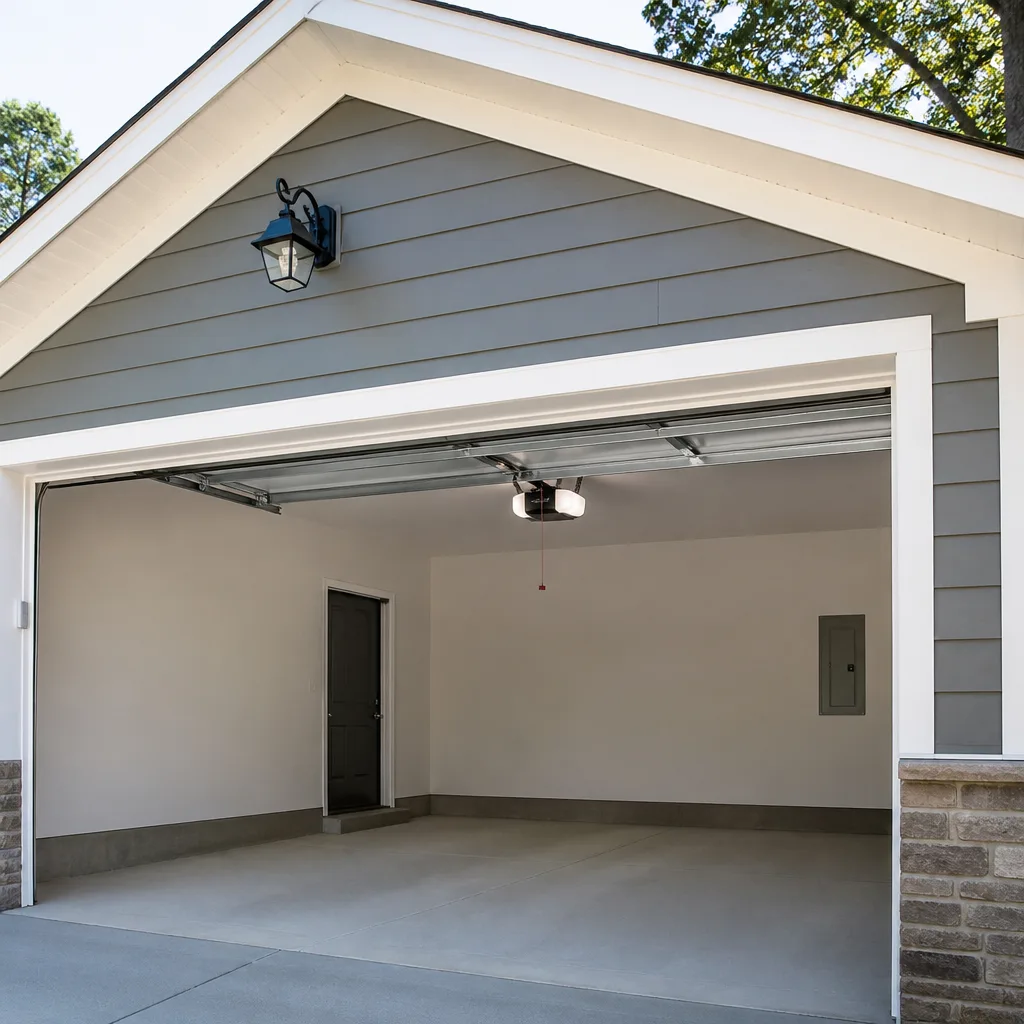 Chamberlain openers
Full 25-point door and opener safety check with every visit - springs, cables, rollers, tracks, and your LiftMaster or Chamberlain opener included
You get a price before we start. It does not change when the pro arrives.
Get your free estimateSeasonal Garage Door Care for Lawrence: Year-Round Homeowner’s Guide
Most homeowners treat garage door care as one job, done once, whenever something finally breaks. That’s the misconception worth setting aside. In Lawrence, the door on your house faces two very different enemies a year apart, and they don’t attack the same parts. Winter loads the structure: springs, seals, panels, track alignment. Summer loads the electronics: logic boards, opener motors, sensors sitting in direct sun. A maintenance calendar that ignores the split ends up chasing last season’s problem this season. This guide sets out the year-round routine we recommend for Lawrence, broken down by what the weather actually does to your hardware.
Quick Answer
Seasonal garage door care in Lawrence means preparing seals and springs before the ground freezes in fall, protecting the door from ice bond, thickened grease, and frost-shifted sensors in winter, correcting panel and track misalignment after the spring thaw, and managing opener heat exposure through summer. A short inspection each season catches the failures that climate causes before they turn into emergency calls.
Styles & brands we work with
- Raised-panel steel
- Carriage house
- Modern flush
- Full-view glass
- LiftMaster openers
- Chamberlain openers
Table of Contents
- Why Lawrence Garage Doors Age Differently
- Fall Prep: Seal Integrity and Spring Pre-Tension Before the Ground Freezes
- Winter Failure Modes: Ice Bond, Slow Opens, and Frost-Shifted Sensors
- Spring Inspection: What Freeze-Thaw Cycles Leave Behind
- Summer Heat Management for Openers
- The Month-by-Month Lawrence Task Calendar
- What You Can Check Yourself and What We Should Handle
- Common Mistakes to Avoid
- When to Call a Professional
- Frequently Asked Questions
Why Lawrence Garage Doors Age Differently
Garage doors are a steel and aluminum assembly bolted to wood framing and rubber seals, all attached to a torsion and extension spring system under constant load. That assembly expands and contracts with temperature, and the swing in the Indianapolis area is extreme – January lows and July highs can sit close to 100°F apart. A garage door in Lawrence rides that full range every year. Each material in the system responds at a different rate, and the joints between them take the stress.
Think about what moves first. Metal panels and tracks expand more than the rubber weather seal at the bottom of the door. Logic boards inside openers want a narrow operating temperature window. Grease thickens as the temperature drops. Concrete floors shift slightly through freeze-thaw cycles. The result is a door that behaves almost perfectly in October and almost won’t close in February, with no single part having failed. The problem is the relationship between the parts, and that relationship changes with the season.
That’s the reason we treat the calendar as the first tool. If you’re dealing with a door that jams, sticks, or reverses without warning, jumping straight to a repair when a seasonal adjustment would have prevented it. When a genuine mechanical failure has already happened, garage door repair is the right call – but this guide is about not needing it.
- Winter stress: springs, bottom seal, panel bottoms, track alignment, grease viscosity.
- Summer stress: opener logic boards, motor heat, photo-eye sensors, battery backup units.
- Year-round: opener drive train, rollers, hinges, safety reverse test.
Fall Prep: Seal Integrity and Spring Pre-Tension Before the Ground Freezes
Fall is the most consequential season for your door, and it’s the one most homeowners skip. The goal is to get every rubber seal tight and every spring in the right working range before the first hard freeze, because once the ground locks up and temperatures stay below freezing, making adjustments gets harder and the consequences of a bad seal get much worse.
The bottom weather seal is the first priority. That thick rubber strip at the floor does two jobs: it keeps cold air and moisture out, and it stops ice from bonding the bottom panel to the concrete. When the seal hardens or cracks, it stops doing either. Run a hand along the floor gap with the door closed and look for daylight. If light comes through in spots, or the rubber has stiffened and curled, the seal is due. A seal that’s already cracked going into winter is the seal that freezes shut in January.
Springs come next. Torsion springs are wound to a specific number of turns, and as the temperature drops the steel relaxes slightly, changing how much lift the system provides. That change shows up as a door that opens a little slower or feels heavier at the end of travel. Pre-tension in fall – which is a technical adjustment, not a maintenance task – puts the spring in its correct range so the door is carrying the same load it will need to carry through the coldest weeks. It’s also the right time to check that the springs are at the correct balance, because a door that’s already out of balance in October will be out of balance and sluggish by February.
- Check the bottom seal for stiffness, cracks, and light gaps.
- Confirm the door is balanced: a properly balanced door should hold roughly halfway open without help.
- Have the springs checked and adjusted before the ground freezes.
- Lubricate rollers, hinges, and tracks with a cold-rated garage door lubricant, not grease.
- Test the safety reverse: place an object in the door’s path and confirm it reverses.
- Clear the track channels of debris and check for panel alignment.
Because spring work is genuinely dangerous, we want to be direct about it. Torsion springs store enormous energy, and a spring that slips while it’s being adjusted can cause serious injury. If you’re not sure your springs are in range, have them looked at by a trained technician. That’s what our garage door spring repair service is for, and it’s the reason it’s a dedicated service rather than an afterthought. We work with the manufacturer’s system rather than guessing, whether the door is a Clopay or an Amarr model.
Winter Failure Modes: Ice Bond, Slow Opens, and Frost-Shifted Sensors
Winter in Lawrence creates failures that don’t look like failures. A door that opens slowly, stops partway, or reverses without warning in January is usually not broken. It’s a door working against ice, thick grease, and frosting that has knocked the safety sensors out of line. Understanding the three winter failure modes makes the symptoms much easier to read.
Ice bond at the floor seal is the first. When the bottom seal rests on a floor with any moisture, and the temperature drops below freezing, the rubber can freeze to the concrete. When the opener lifts the door, it’s fighting the bond, which puts real stress on the opener and the top section of the door. Keeping the seal pliable in fall is the prevention; a winter door that pulls free with a little hesitation or a popping sound is showing you the seal is bonding.
Slow opening from thickened grease is the second. Most lubricants thin slightly in the cold and harden in the extreme cold. A door that climbs slowly, groans, or seems to lag at the start of travel is showing you grease that has thickened. This is a lubrication issue, and the fix is to switch to cold-rated lubricant, not to crank up the opener’s force setting.
Sensor misalignment from frost is the third and the one that stops doors from closing at all. The photo-eye sensors at the floor of the door gap need to see each other; moisture that freezes on the lens, or frost that shifts the mounting slightly, breaks the beam. The door reverses and flashes the opener light. In most cases the sensors need to be cleaned and re-aimed, not replaced.
- Ice bond: bottom seal sticking to concrete; door strains at the floor.
- Thickened grease: slow or noisy opening, worse at first use after a cold night.
- Frost on sensors: door starts down, reverses, opener light flashes.
- Stiff rollers: rattling, uneven travel, jerky movement.
- Opener strain: door works but the opener sounds labored.
One winter habit matters more than any adjustment: if the door is frozen to the floor, don’t force it. A wooden wedge and some patience, or warm water around the seal, will break the bond. Forcing it with the opener is how panels bend and springs get stressed. If your door is stuck mid-winter and won’t budge, that’s an emergency call, and our emergency service is set up for exactly that situation – a door stuck open or frozen shut is a security problem as much as a mechanical one.
Spring Inspection: What Freeze-Thaw Cycles Leave Behind
Spring is the season to inspect what winter left. Freeze-thaw cycles are the specific mechanism that causes spring garage door problems in Lawrence. Concrete heaves slightly as it freezes and settles as it thaws, and that movement stresses the bottom panel and the track. The door has been carried through a winter of cold loads and cycle counts, and it’s worth looking at it carefully once the ground loosens up.
The bottom panel is the first thing to check. As the concrete floor moves, it can lift slightly into the door’s path, which leaves the bottom panel with a telltale rub mark, a scratch, or a slight bend. If the bottom panel has taken a hit, the best time to catch it is right after thaw, before it becomes a bigger alignment issue. The track is second. Look at the vertical tracks on either side of the door: they should be parallel to each other and plumb. A track that’s been pushed out of line by a frost-heaved floor or a winter bump will make the door bind, and binding is harder on the opener than any other single problem.
- Inspect the bottom panel for rub marks, bends, or contact with the floor.
- Check the vertical tracks for parallel alignment and plumb on both sides.
- Test the door balance: if it drifts open or closed on its own, the springs are out of balance.
- Examine the bottom seal again. Winter hardens rubber; a seal that was fine in fall may have cracked.
- Have the torsion springs checked after the season’s cycle count.
- Check the opener’s safety reverse and both photo eyes.
If inspection finds that a panel is bent or the track is out of line, that’s a straightforward repair and not something to put off into the busy season. Leaving a binding door to run through summer puts the strain on the opener and the springs instead, and that’s more expensive than fixing the alignment now. Spring is also the right time to look at your opener’s condition overall, since a full winter of straining through cold grease is a lot to ask of any motor. We work on the major brands – LiftMaster, Chamberlain, Genie, Craftsman – so we know the legacy units and the newer Wi-Fi models alike, which matters more than it sounds. Our garage door opener repair covers that inspection and the fix if the motor is already showing strain.
Summer Heat Management for Openers
Summer is the season of electronic problems, and it’s the one most people attribute to age or bad luck. An opener that works all winter and starts misbehaving in July is usually a unit fighting heat, not one that has worn out. The electronics inside the motor housing have a finite operating temperature, and anything sitting in direct sun in a Lawrence garage in July pushes against it.
The biggest controllable factor is direct sun exposure. A south- or west-facing garage can get the motor housing hot enough that it stalls or reverses intermittently, because the logic board is protecting itself. Ventilation matters too: a garage with no air movement or a blocked vent traps the heat. The fix is often as simple as a small circulating fan or a vented door, not a new opener. If the opener is going into thermal shutdown, the picture is usually the same: it works in the morning, misbehaves in the afternoon, and resets overnight.
A few electronic checks belong in the summer routine regardless. The safety reverse test and the photo-eye alignment check are worth repeating more often in summer because sun glare across the sensor lens can cause false reversals – the sun hits the receiving eye and the door thinks there’s an obstacle. Wi-Fi-enabled openers can also lose their network pairing when the board gets hot, which shows up as an app that won’t connect while the wall button works fine. That’s a heat and pairing issue, not a failed unit.
- Thermal shutdown: works in the morning, stalls or reverses in afternoon heat.
- Logic board overheat: erratic behavior, no apparent mechanical fault.
- Photo-eye sun glare: door reverses on bright afternoons with nothing in the way.
- Battery backup strain: hot backup batteries lose capacity and charge slowly.
- Wi-Fi pairing loss: app unresponsive while the wall controls still work.
If you’ve got a Wayne Dalton opener or one of the smart LiftMaster units and it’s started misbehaving in the heat, a technician visit will tell you whether it’s a ventilation fix or a board that’s actually failing. Summer is a poor time to ignore it, since it’s the season when the problem is most likely to reproduce.
The Month-by-Month Lawrence Task Calendar
Here’s a practical calendar calibrated to how the seasons actually land in Lawrence. The frost dates below are typical for the area – the average first fall frost is in early to mid-October and the last spring frost is in mid-April – so use those as your anchors, and adjust the exact week to the conditions in your particular subdivision.
- September: Before the first frost, inspect the bottom seal and test the door balance. Lubricate rollers, hinges, and tracks with a cold-rated product. Book spring inspection and adjustment before calendars fill.
- October – first frost window: Adjust seals if they’ve stiffened. Test the safety reverse. Clear tracks. This is the last easy window before hard freeze.
- November: Re-lubricate with cold-rated grease. Watch for the first signs of the door sticking to the floor on cold mornings. Check photo-eye cleanliness.
- December through February: No heavy tasks. Clean sensor lenses when frost or snow sits on them. Never force a frozen door. Watch for slow opens and labored motor sounds.
- March: Inspect the bottom panel and track alignment after the thaw. Re-test the safety reverse. Check for seal cracking.
- April – last frost window: Have the torsion springs checked after the season. Inspect the full door for balance and looseness. Address any track realignment now.
- May: Clean out tracks. Test the opener, run the safety reverse, and clear any cobwebs or debris from the photo eyes. Check battery backup if you have one.
- June: Summer heat comes on. Confirm garage ventilation and watch for afternoon opener misbehavior. Add a small fan if the motor housing sits in direct sun.
- July: Full electronic test. Photo-eye alignment, safety reverse, Wi-Fi pairing. Note any opener stalls and when they happen.
- August: End-of-summer inspection; the fall prep cycle starts again in September.
That calendar covers the year without requiring a specialist most months. The two seasons where an appointment makes sense are the late-October pre-freeze window and the April post-thaw inspection, because those are the points where real structural issues get caught or missed. The Lawrence climate is unforgiving enough on garage doors that following the two anchors – first and last frost – is the difference between a smooth year and a spring emergency.
What You Can Check Yourself and What We Should Handle
Some seasonal tasks are genuinely easy to do without a technician, and honestly worth doing yourself. Others involve stored spring energy or high-voltage opener internals, and those are not a good place to save money. Here’s a straightforward split.
Safe for you: the visual inspection. Checking light gaps at the bottom seal, looking for rub marks on the bottom panel, run tests of the safety reverse and photo eyes, cleaning sensor lenses, clearing debris from the tracks, and switching to a cold-rated lubricant. These are low-effort tasks with no injury risk if you’re careful about not putting your hands in the track’s travel path while the door is moving.
Work for a trained technician: anything adjusting, tensioning, or replacing a torsion or extension spring. Any track realignment beyond a gentle nudge – tracks that have heaved need to be re-set plumb, and getting that wrong makes things worse. Any opener diagnostic that requires opening the motor housing, since that’s where the line voltage and capacitor live. Any adjustment to the opener’s force or travel limits: the manufacturer’s settings exist for a reason, and raising them to make the door move is how doors and openers get damaged. When the spring itself has failed, that’s not a maintenance task, that’s a spring repair job.
Common Mistakes to Avoid
- Skipping the fall pre-freeze adjustment. Waiting until the first hard freeze to look at the seals means the door goes into winter already stiff. By January, the seal has bonded and the springs have relaxed, and adjustment is much harder.
- Raising the opener’s force setting to overcome a winter stick. The force setting is a safety limit, not a power knob. Turning it up masks the ice bond and puts strain on the door and drive train, and it undermines the safety reverse function.
- Using ordinary grease instead of garage door lubricant. Standard grease thickens badly in Lawrence’s cold and makes the door work harder, especially on the coldest mornings.
- Forcing a door that’s frozen to the floor. The opener will try, and the springs and panels take the load. Breaking the bond with warm water or a wedge is always the right move.
- Ignoring a door that’s just “a little slow.” A slow door in winter is a signal about spring balance, not normal winter behavior. It’s the early warning that prevents a spring failure in March.
- Assuming an opener problem means replacing the opener. A summer opener that stalls only in the afternoon is usually a heat issue, and ventilation or a board check is far cheaper than a whole unit.
- Letting summer electronic issues go untreated. A logic board that’s overheating for weeks is under stress; catching it early often saves the unit.
When to Call a Professional
Get a technician involved when the door won’t move, moves with a loud snap, or reverses on its own on a clear, unobstructed day. Any adjustment that changes the spring’s tension, or the diagnosis of a stuck door that isn’t just ice bond, belongs with a trained professional. Worn cables, bent tracks after a winter heave, or an opener that’s showing a board fault rather than a sensor issue are all reasons to stop and call rather than press on. Garage Door Repair Lawrence Pros offers free estimates in Lawrence – call (844) 681-4256. Our technicians have up to 10 years of experience, and we work on the major brands so the diagnosis reflects your actual system. If a repair turns into a replacement, we can handle the full installation, so you’re not looking for a second company.
Frequently Asked Questions
Twice a year is the right rhythm for Lawrence: once in fall, before the first frost, and once in spring, after the last frost. Those two visits align with the seasons that actually stress the door – winter loads the springs and seals, and thaw exposes track and panel alignment issues. The summer and midwinter months are mostly visual checks you can do yourself. If your door is older or has already shown winter symptoms like slow opens, an extra check in fall is worth it.
Cold thickens grease and stiffens rollers, so the door takes more effort to move in winter. It’s also a signal that the springs may be out of balance or that the lubricant isn’t rated for cold. The fix is usually cold-rated lubricant and a spring balance check, not a new opener. If the door is fine in summer and slow all winter, book a fall spring check rather than raising the opener’s force setting. Call (844) 681-4256 for a free estimate.
Summer heat is the likely cause. Direct sun on the motor housing can push the logic board into thermal shutdown, and sun glare across the photo-eye sensors can cause false reversals. Ventilation is often the fix. If your opener only fails on hot afternoons, that’s the signature of heat rather than a worn motor. A technician can tell you quickly whether it’s a ventilation issue or a board that’s actually failing.
No, and we’d ask you not to try. Torsion springs hold stored energy that can cause serious injury if a spring slips during adjustment, and getting the tension wrong damages the door. On top of that, spring adjustments are the kind of job that goes wrong quietly. Have it done by a trained technician. Our spring repair service exists because this is one of the highest-risk, most-mishandled parts of the system.
For the Lawrence area, the average first fall frost lands in early to mid-October, and the average last spring frost is in mid-April. Use those as your markers for the two annual appointments: get the seal and spring check done before the first frost, and the post-thaw inspection after the last. The exact date varies year to year, so watch local forecasts as the window gets close.
No. The seasonal checks in this guide cover the basics, and the two annual appointments are what matter. There’s no reason to pay for monthly service in a climate where the failure modes cluster into two seasons. If you’d like the fall or spring inspection done for you, call (844) 681-4256 – the estimate is free.
The Bottom Line
Lawrence garage doors fail in patterns, and the patterns follow the season. Winter does the structural damage – springs, seals, tracks, and the panel bottom – and the right move is to get the door ready before the ground freezes. Summer does the electronic damage – boards, motors, and sensors – and managing heat exposure matters more than treating every opener glitch as a dead unit. Follow the frost-date calendar, do the safe visual checks yourself, and leave spring adjustment and track work to a technician. That routine is the whole difference between a door that cruises through the year and a March emergency.
If you’d like the seasonal inspection done for you, call Garage Door Repair Lawrence Pros at (844) 681-4256 for a free estimate. We work across LiftMaster, Chamberlain, Genie, Clopay, Amarr, Wayne Dalton, Craftsman, and Raynor systems, so we know what we’re looking at before we arrive. Same-day and emergency service is available for stuck doors, and full installation is there when a repair turns into a replacement.
Written by the team at Garage Door Repair Lawrence Pros.
See the difference
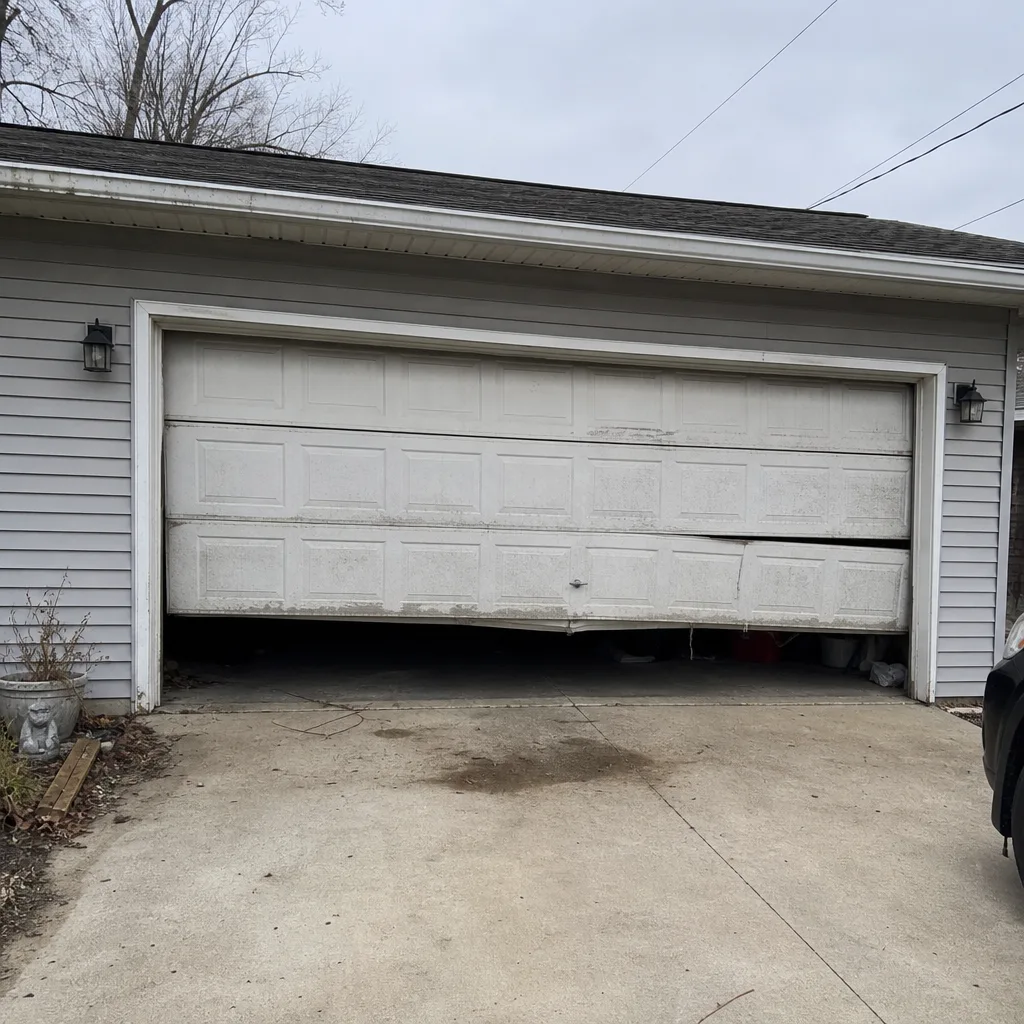 Before
 After
 Before
 After
 Before
 After