Last updated November 22, 2026
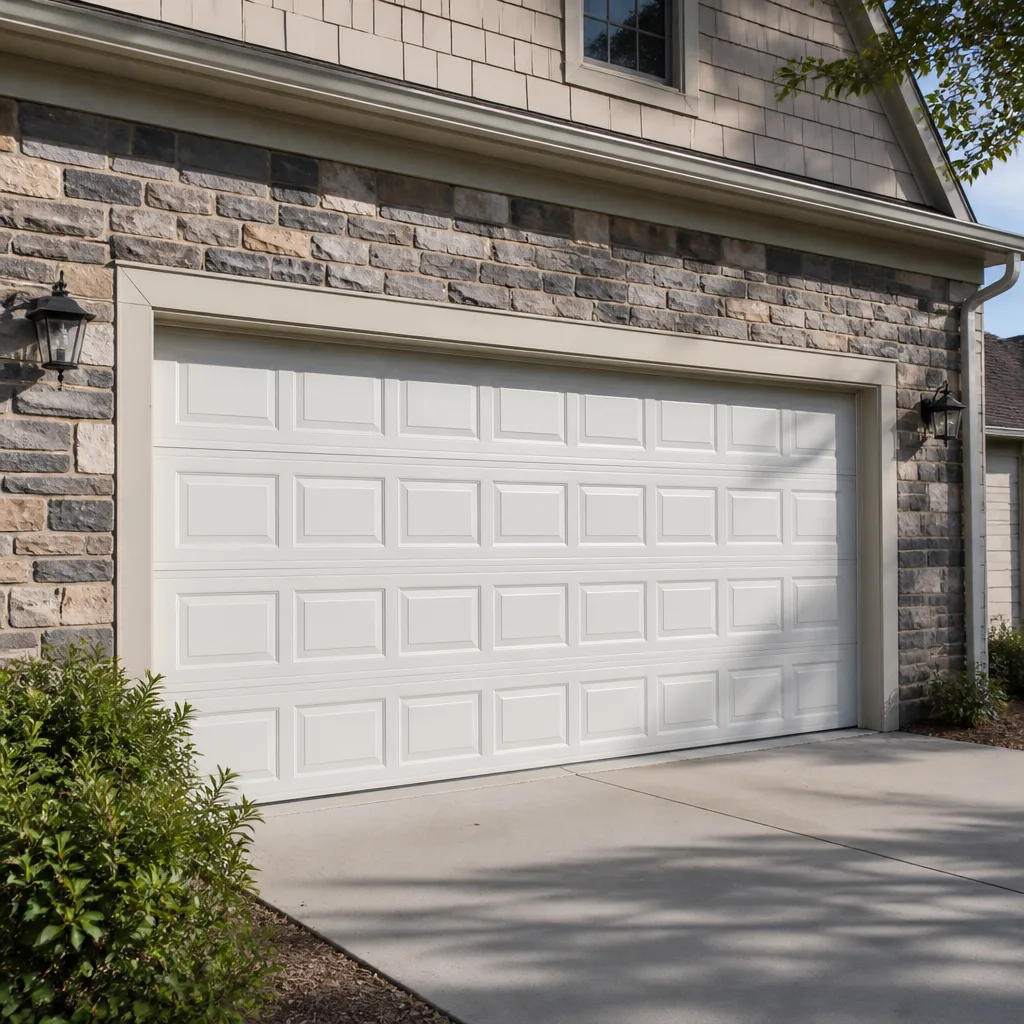 Raised-panel steel
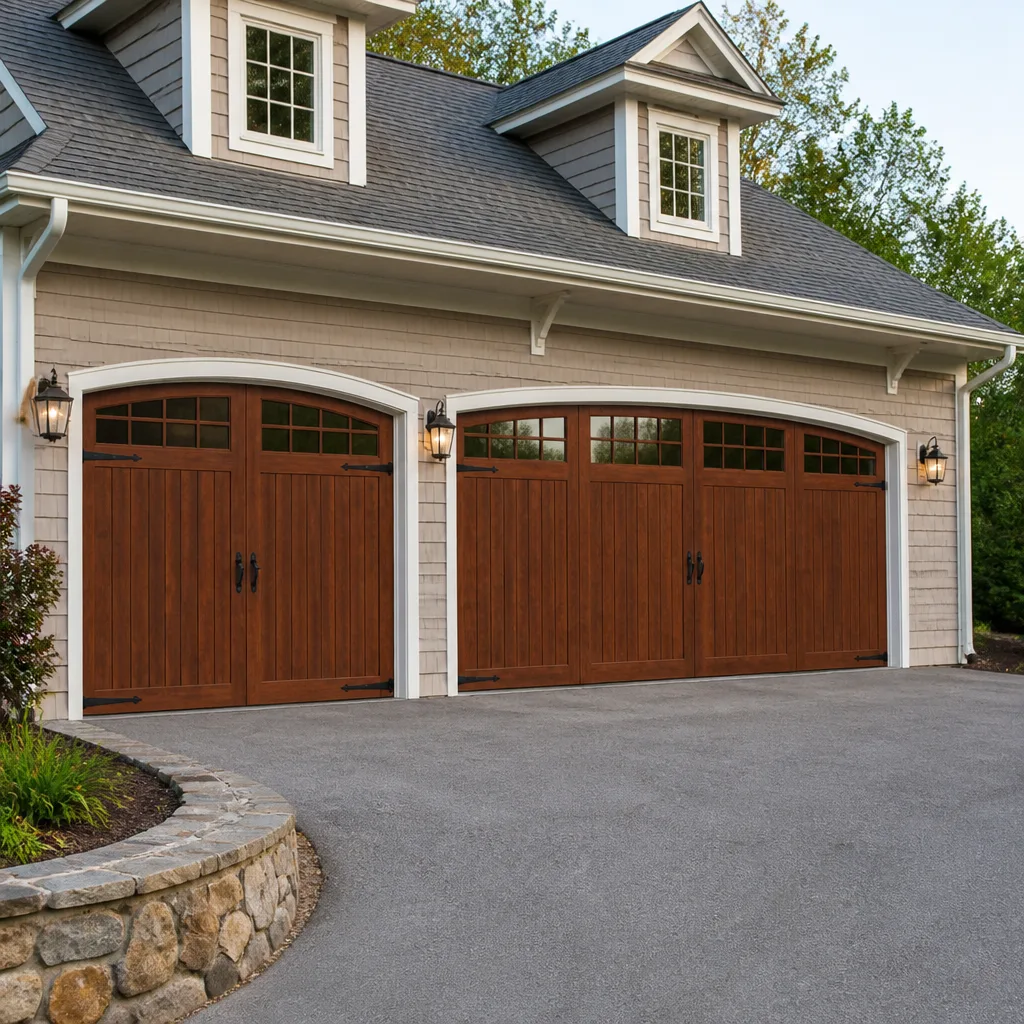 Carriage house
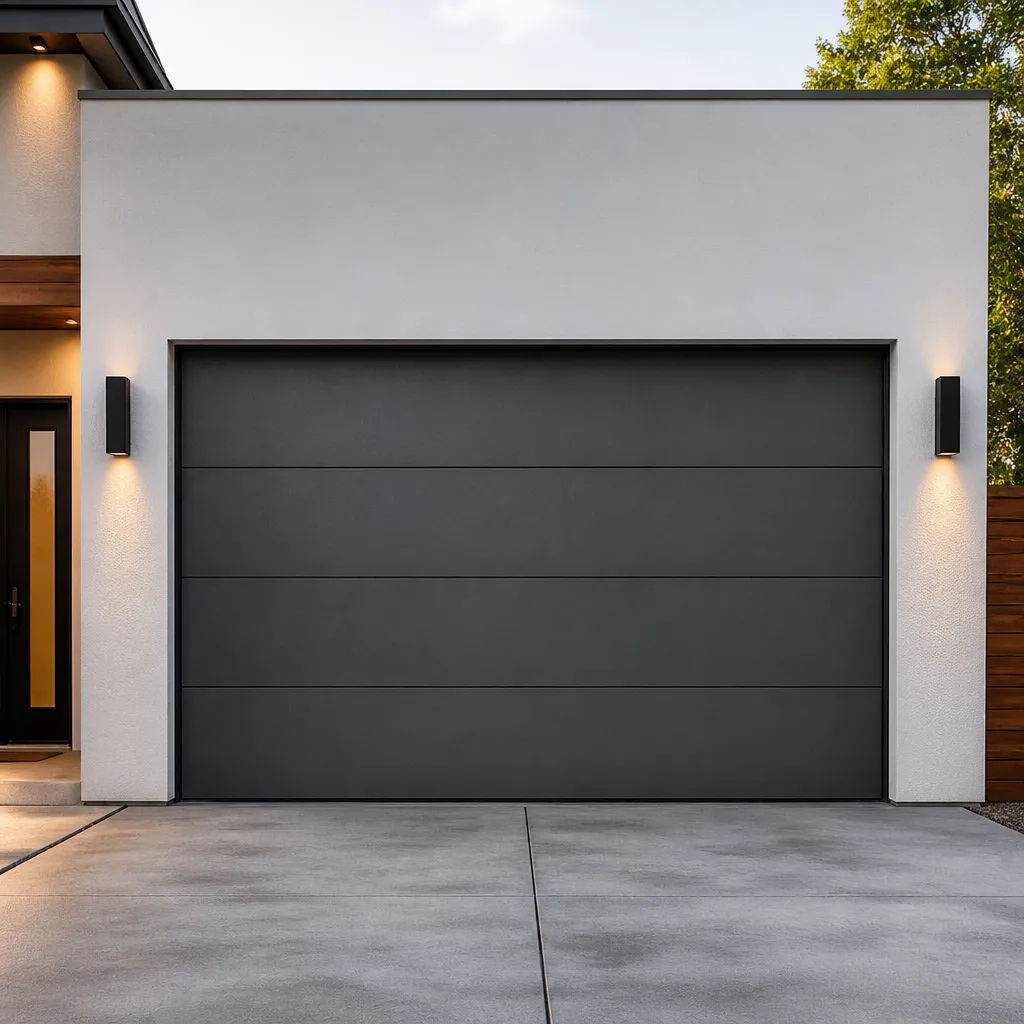 Modern flush
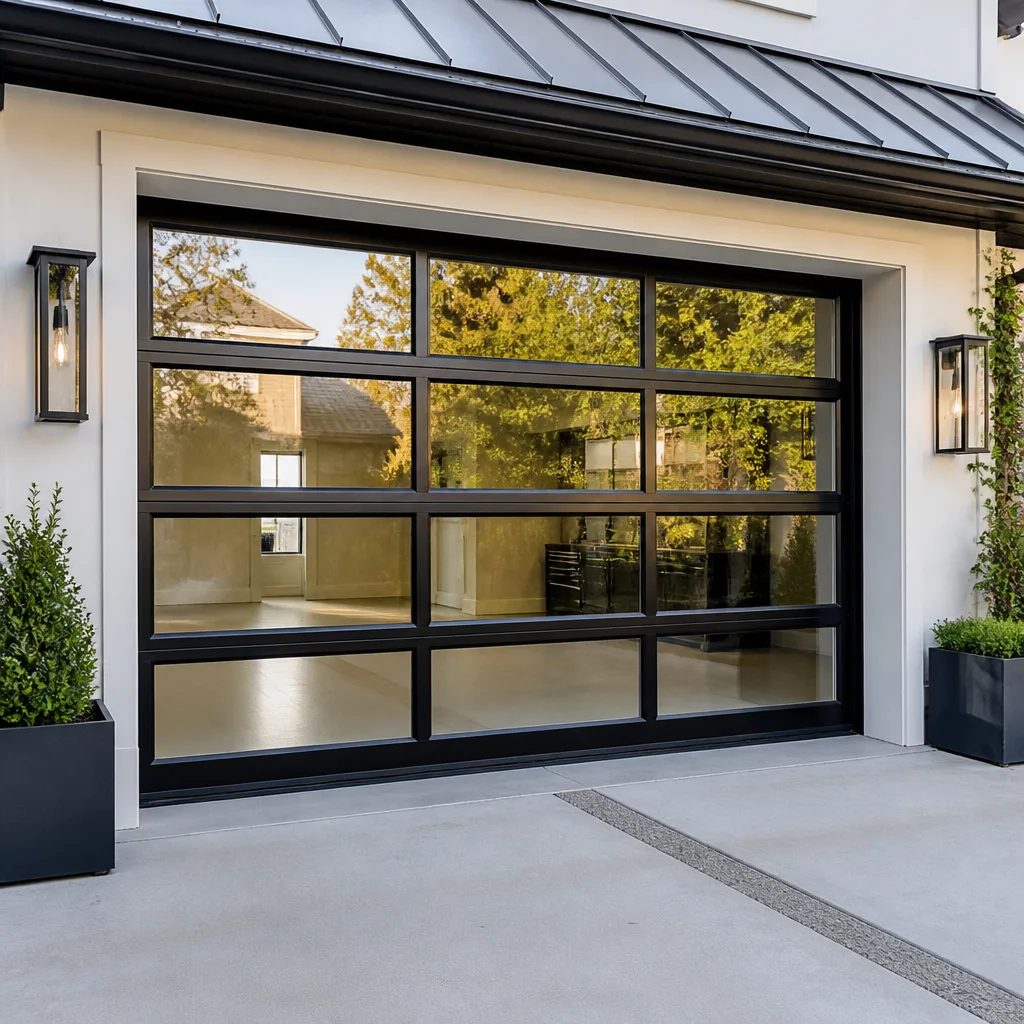 Full-view glass
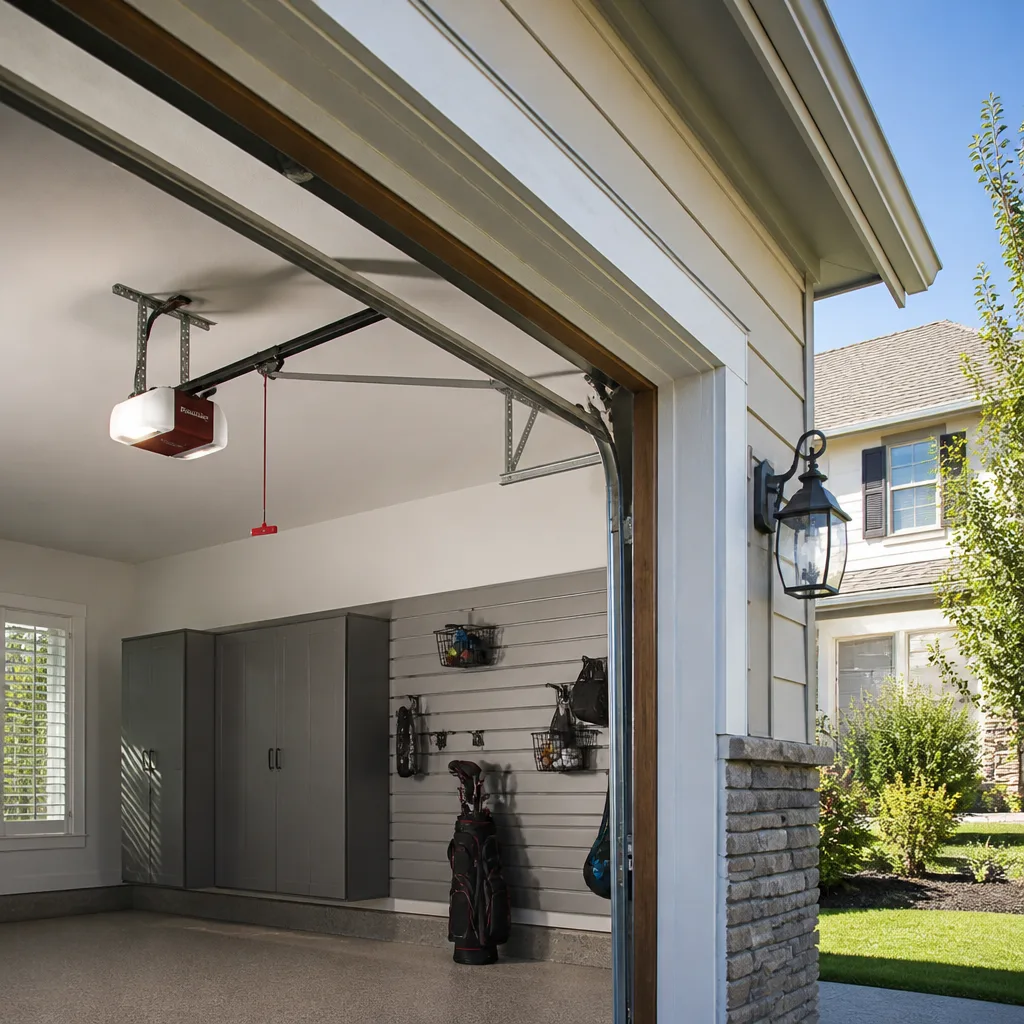 LiftMaster openers
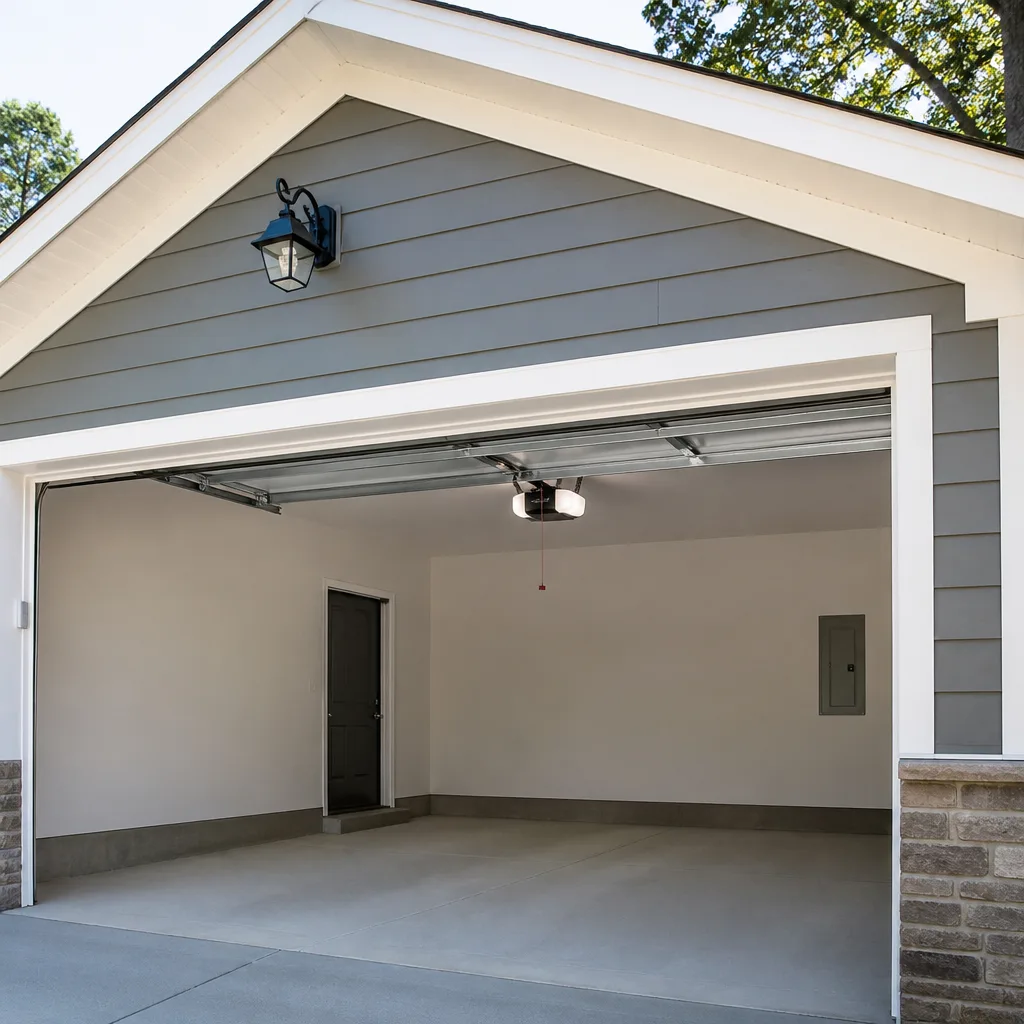 Chamberlain openers
Full 25-point door and opener safety check with every visit - springs, cables, rollers, tracks, and your LiftMaster or Chamberlain opener included
You get a price before we start. It does not change when the pro arrives.
Get your free estimateChoosing the Right Garage Door Brand: A Buyer’s Guide for Lawrence
Most garage door advice starts with the manufacturer’s reputation, and that’s exactly backwards for a Lawrence homeowner. The premium brand with the glossy catalog can leave you waiting a week for a cable or a hinge because no technician nearby keeps its parts on a shelf. Meanwhile a brand you’ve half-forgotten about gets you a same-day fix because every pro in the market knows its hardware cold. This guide walks you through how to weigh brands by what actually matters here: local parts availability, how the steel and seals hold up to Indiana’s freeze-thaw swings, and which tier within a manufacturer fits a Lawrence home. You’ll learn how to read a spec sheet, match a door to your opener, and avoid the four or five mistakes that cost local homeowners the most.
Quick Answer
The right garage door brand in Lawrence is the one whose parts a local technician can get quickly and whose hardware handles Indiana’s freeze-thaw cycles without failing. That usually means a mid-tier model from a widely serviced manufacturer like Clopay or Amarr, matched to an opener from LiftMaster, Chamberlain, Genie, or Craftsman so the two systems speak the same language. National reputation alone is a poor filter. Local serviceability, climate performance, and HOA rules narrow the field faster and more accurately.
Styles & brands we work with
- Raised-panel steel
- Carriage house
- Modern flush
- Full-view glass
- LiftMaster openers
- Chamberlain openers
Table of Contents
- Why Local Parts Availability Beats Brand Pedigree
- How Major Brands Perform in Indiana’s Freeze-Thaw Climate
- Brand Tiers Within a Manufacturer: What You’re Actually Buying
- How Lawrence HOA Rules Narrow Your Brand and Style Options
- Matching Your Door Brand to Your Opener
- A Step-by-Step Way to Choose Your Brand
- When Brand Choice Affects Repair vs. Replacement
- Questions to Ask Before You Commit to a Brand
Why Local Parts Availability Beats Brand Pedigree
A garage door is a mechanical system with wear parts, and every wear part fails eventually. Springs, rollers, hinges, cables, and seal strips are the components that decide whether you’re back in business in an afternoon or waiting on a box. The brand you pick determines how easily a local technician can source replacements. That single factor matters more in Lawrence than any award a manufacturer has printed on its brochure.
Here’s how to check whether a brand is genuinely serviceable in your area:
- Ask how fast a specific part can be obtained. When you get an estimate, ask the technician about a common wear item for your brand, like a torsion spring or a bottom bracket. If the answer is “we’d have to order it,” that tells you something.
- Look for multiple local service options. A brand with several technicians familiar with it gives you more chances at a quick repair.
- Check whether the brand is still manufacturing and supporting that model line. Discontinued lines can leave you hunting for a compatible spring or section.
- Weigh genuine parts against universal replacements. Some hardware is interchangeable; springs, torsion systems, and panels usually aren’t.
This is where working with a multi-brand specialist changes the picture. At Garage Door Repair Lawrence Pros we service LiftMaster, Chamberlain, Genie, Clopay, Amarr, Wayne Dalton, Craftsman, and Raynor. That range means when we arrive at a Lawrence home, we’re not seeing your door for the first time. We’re recognizing the system. When you’re researching a garage door repair option for an older door, ask upfront which brands the technician handles and how they source parts. A brand that’s well known nationally but poorly supported locally turns a small fix into a long wait.
How Major Brands Perform in Indiana’s Freeze-Thaw Climate
Lawrence sits in central Indiana, where winters swing back and forth across the freezing mark and summers bring humid heat. That cycle punishes garage doors in specific, predictable ways, and different brands handle it differently. The parts that age fastest are the ones that expand, contract, and collect moisture: steel panels, seals, and any bonded insulation.
What to look for in a door built for this climate:
- Steel gauge. Thicker steel resists the denting and flexing that freeze-thaw temperature swings accelerate. Lighter gauge doors in this climate develop ripples and small dings that eventually crack the finish.
- Thermal break design. A thermal break separates the outer skin from the inner frame so the door doesn’t conduct cold straight into the house and shed condensation on interior surfaces. Non-insulated doors aren’t built to handle that separation.
- Seal systems. Bottom seals, jamb seals, and the weather seal at the top take the hardest beating. A brand whose seal strips are easy to replace saves you real money over the door’s life.
- Facing and finish. Steel with a baked-on finish holds up better here than bare or lightly coated metal, because the freeze-thaw moisture cycle is relentless on exposed surfaces.
Among the brands we service, Clopay and Amarr offer a range of insulated steel models built for exactly this kind of climate, with thermal breaks and replaceable seals. Wayne Dalton’s steel and composite lines are common on mid-range Lawrence homes and hold up reasonably well when the seals are maintained. The climate doesn’t decide the brand for you, but it does eliminate the doors built for a gentler climate and tells you what to inspect on any model you’re considering. If you’re weighing a full garage door installation, bring the spec sheet on thermal break design and seal construction to the estimate.
Brand Tiers Within a Manufacturer: What You’re Actually Buying
A brand name is not one product. Every major manufacturer sells several tiers, and the gap between them often matters more than the gap between brands. The same logo can sit on a builder-grade door and on a top-of-line insulated model. Choosing well means understanding what each tier buys you.
Start with the opener, since the difference is easy to see. LiftMaster residential openers are built for daily homeowner use, with smart-home connectivity on the current lines, while LiftMaster’s commercial line is designed for heavier duty cycles and higher-traffic doors. A residential homeowner rarely needs commercial hardware, and paying for it doesn’t improve a typical Lawrence door. The same tier logic applies across brands.
For the door itself, the tiers generally break down this way:
- Builder-grade. Thin steel, minimal or no insulation, basic hardware. Works for a light-use door, but in a climate with hard freeze-thaw swings it ages fast.
- Mid-range insulated. The sweet spot for most homes. Thicker steel, a thermal break, decent R-value, and hardware that can be maintained for years.
- Premium and custom. Heavier steel, better insulation, premium hardware, and more finish options. Worth it when you plan to stay and want the door to be a feature of the house.
Ask the technician which tier a given model sits in, not just which brand. A mid-tier Clopay or Amarr model is often the better buy for a Lawrence home than the entry-level door from a brand with a stronger name. Tier and local parts support together tell you more than the label. Crafting a door opener match matters too: a higher-tier door with a heavier panel weight needs an opener rated for it, or the door will strain the opener prematurely. Our team can talk through a garage door opener repair when a mismatch shows up as a struggling opener or a door that won’t stay balanced.
How Lawrence HOA Rules Narrow Your Brand and Style Options
In many Lawrence subdivisions, the HOA has rules about garage door color, panel style, and window treatments before you ever get to choose a manufacturer. Homeowners who shop by brand first and read the HOA guidelines second often end up returning hardware or paying for a change of plan. Check the rules early, and let them cut the brand list down for you.
What HOAs commonly regulate on a garage door:
- Color. Many subdivisions require specific neutrals or a color matched to the house trim, which can rule out certain finish lines.
- Panel style. Raised-panel, recessed-panel, carriage-style, and window placements are often spelled out, so a brand with a strong match wins.
- Windows and inserts. Some associations restrict window rows or require obscured glass.
- Material appearance. Some HOAs ask for a specific look, whether steel, aluminum, or composite, which can mean choosing a line within a brand that offers it.
Once you know the rules, find the brands that offer that exact style and finish in a tier you can afford. A brand known for a particular panel look might be the deciding factor, which is why Clopay’s and Amarr’s style ranges get so much attention on residential doors. Skip the guesswork: bring the HOA guidelines to the estimate, and pick the brand that offers the required look without stepping into the wrong tier. The goal is a door that passes HOA review the first time, which saves you a rebuild you never planned for.
Matching Your Door Brand to Your Opener
Your door and your opener are one system. When you pick a new door brand, the choice affects which openers work best and how the warranty lines up. Homeowners often replace only one half, then wonder why the opener strains or the warranty gets complicated.
How to think about the match:
- Check the opener’s rated capacity. A heavy, insulated, high-tier door needs an opener rated for that weight. A builder-grade opener on a premium door is a strain waiting to happen.
- Confirm the opener brand you have or want. LiftMaster and Chamberlain are widely serviced and smart-home ready, while Genie and Craftsman cover traditional systems. Any of these work with most door brands when the opener is rated correctly.
- Read the warranty terms before you decide. Some manufacturers specify that pairing their door or opener with another brand affects the warranty. Ask before you buy, and get the answer in writing.
- Decide whether to replace both at once. If the opener is old or undersized for the new door, replacing the two together usually costs less than a second call and a second installation.
Raynor is a good example of why this matters. A well-installed Raynor door pairs fine with LiftMaster or Chamberlain openers when the capacity matches; the issue isn’t brand incompatibility, it’s weight, balance, and warranty terms. When we look at a Lawrence home’s system, we check both halves together, because a door brand with strong local support becomes a headache if the opener can’t lift it smoothly. The right brand choice, made with the opener in mind, is what keeps a new door quiet and reliable.
A Step-by-Step Way to Choose Your Brand
A pragmatic sequence beats brand shopping on looks. Work through these steps and you’ll end up with a choice that holds up for years, not just on the day it’s installed.
- Set your budget and the tier that fits it. Decide whether builder-grade, mid-range insulated, or premium is realistic, because the tier narrows the brand list before anything else.
- Read the HOA rules. Note the required color, panel style, and window treatments. This could eliminate several brands immediately.
- Assess your climate needs. For any door here, look for a thermal break, replaceable seals, and steel thick enough to handle freeze-thaw cycles. Insulated mid-tier is usually the floor for a house that will see real winters.
- Check local parts availability. Ask each technician you talk to which brands they handle, how fast they can get parts for the model you’re considering, and whether that model is current or discontinued.
- Match the opener. Confirm the opener’s capacity rating against the door’s weight, and check whether the warranty terms require a specific pairing.
- Get written estimates for two or three brand options. A written quote on a LiftMaster/Clopay combo and on a Chamberlain/Amarr combo lets you compare specs, not slogans.
- Choose, order, and schedule the install. Installation is measured and scheduled around delivery, so get your measurements and finish selection locked in first.
That sequence is why local knowledge matters so much. You don’t have to know every manufacturer’s catalog to choose well; you need a technician who knows which brands survive here, which models are current, and how to pair the door with the right opener. That’s the value of a multi-brand pro in Lawrence: they’ve seen the systems in local homes and can tell you which one to trust before you spend money.
When Brand Choice Affects Repair vs. Replacement
Brand choice changes the math on repairs, not just on new installs. A door from a brand with good local parts support is often cheaper to keep alive than one from a brand whose parts are rare. The decision between repairing and replacing starts with a simple question: is the part available, and is the rest of the door worth saving?
When repair usually makes sense:
- The door is structurally sound and only a wear part has failed, like a spring, roller, or cable.
- The brand is current and the part is easy to get locally.
- The panels are in good shape and the finish is intact.
When replacement tends to win:
- The door is at or past the end of its normal service life and multiple parts are failing.
- The brand is discontinued and parts are hard to source.
- The panels are damaged enough that a matching section isn’t available.
This is where a brand-matched technician earns their keep. A garage door spring repair on a brand with a well-stocked part is a straightforward fix. The same failure on a hard-to-source model can push you toward replacement simply because the part isn’t there. If you’re deciding between repair and replacement in Lawrence, the brand question should be part of the conversation, not an afterthought. A technician who knows your brand can tell you honestly whether it’s worth saving.
Questions to Ask Before You Commit to a Brand
The right questions filter out marketing and get at what matters. Bring this list to every estimate, and keep the answers in writing.
- “What tier is this model in?” Builder-grade, mid-range, or premium. The tier tells you more than the logo.
- “How fast can you get a replacement spring or bottom seal for this brand?” Local availability is a proxy for how much a future repair will cost you.
- “Is this model line current?” Discontinued lines can leave you without parts support.
- “How does this door’s thermal break and seal construction hold up here?” You want a climate-ready door, not a showroom piece.
- “What opener capacity rating do I need, and does the warranty require a specific brand pairing?” The door and opener are one system, and the warranty knows it.
- “Will this style pass my HOA’s rules?” Confirm the color, panel style, and window requirements before you commit.
- “Is there a written estimate with specs and finish?” Get the model, tier, and finish documented so there are no surprises at installation.
Ask these of any technician you’re considering, and ask our team the same. A professional should welcome the questions, because the answers are what guide a good purchase. If a brand’s benefit is purely its name, the questions usually expose that quickly.
Common Mistakes to Avoid
- Choosing a brand by reputation alone. A name doesn’t stock parts. Look at local availability first, or you may be waiting on a shipment while your door sits stuck.
- Ignoring the tier within a brand. The entry-level model from a strong brand can be worse than the mid-tier of a less-known one. Compare tiers, not just logos.
- Shopping before reading the HOA rules. A door that violates the subdivision’s style or color requirements means a rebuild. Read the rules first.
- Skipping the opener match. A new door paired to an undersized opener leads to strain and premature failures. The two halves need to be rated together.
- Overlooking the climate basics. In Lawrence, a door without a thermal break and replaceable seals will age badly through Indiana’s freeze-thaw cycles. Those two specs matter.
- Not asking about parts availability. A brand you can’t get parts for turns a routine repair into a replacement decision. Ask about a common part before you commit.
- Getting one estimate. Two or three written estimates on the brands under consideration let you compare specs and tiers instead of trusting a single pitch.
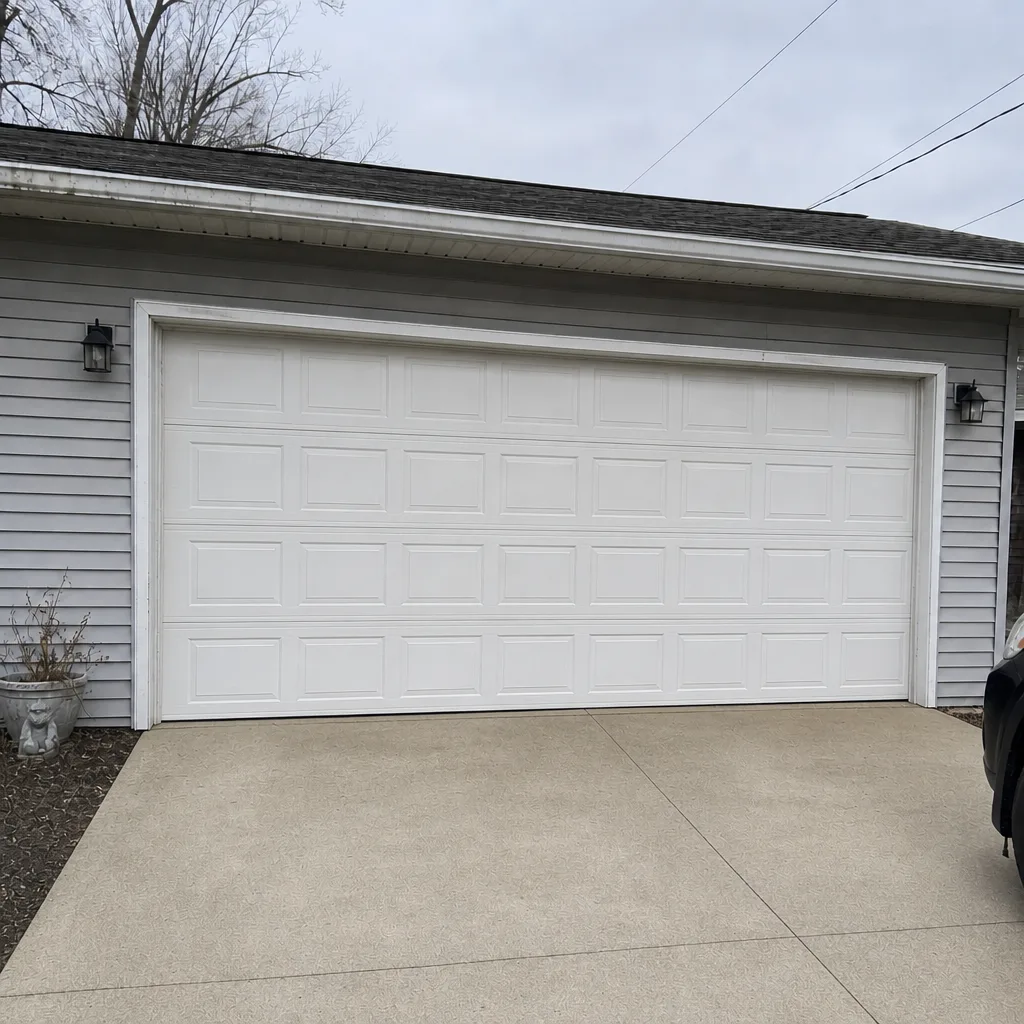
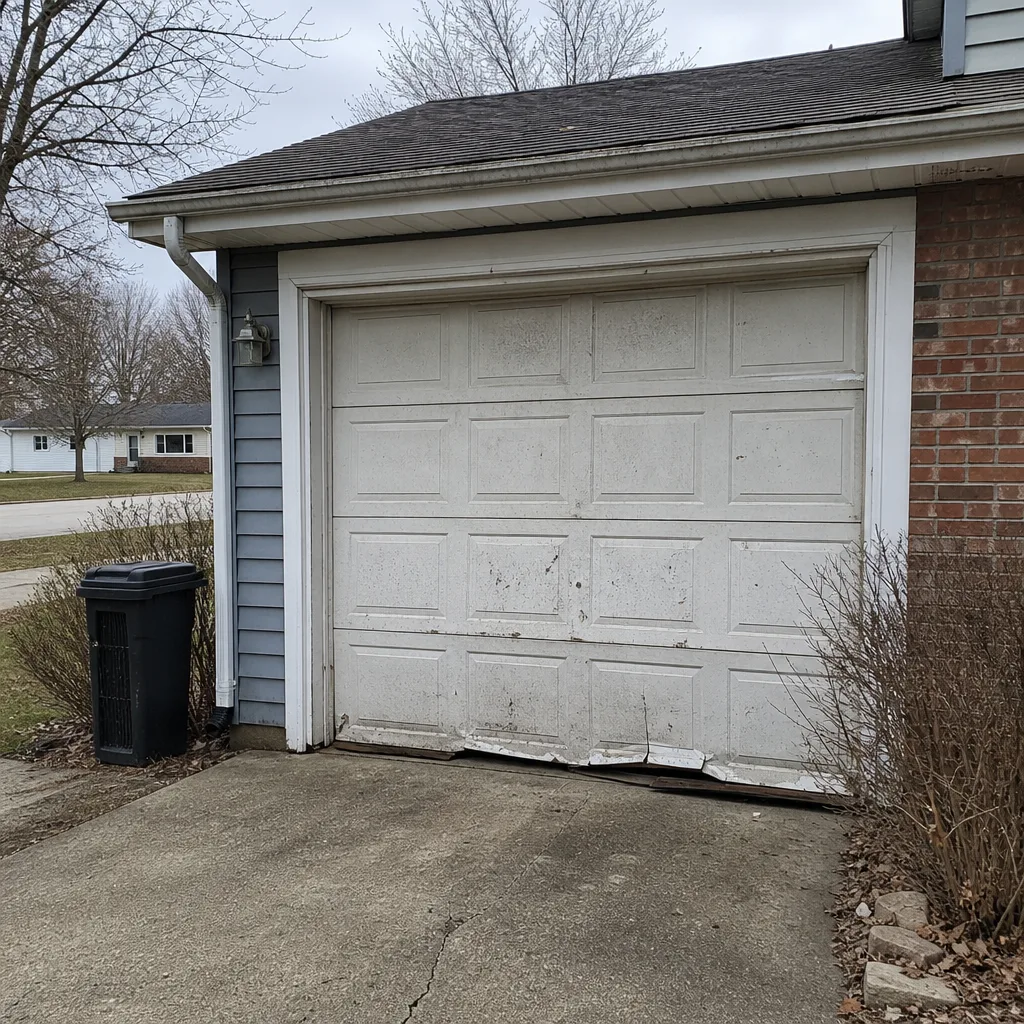
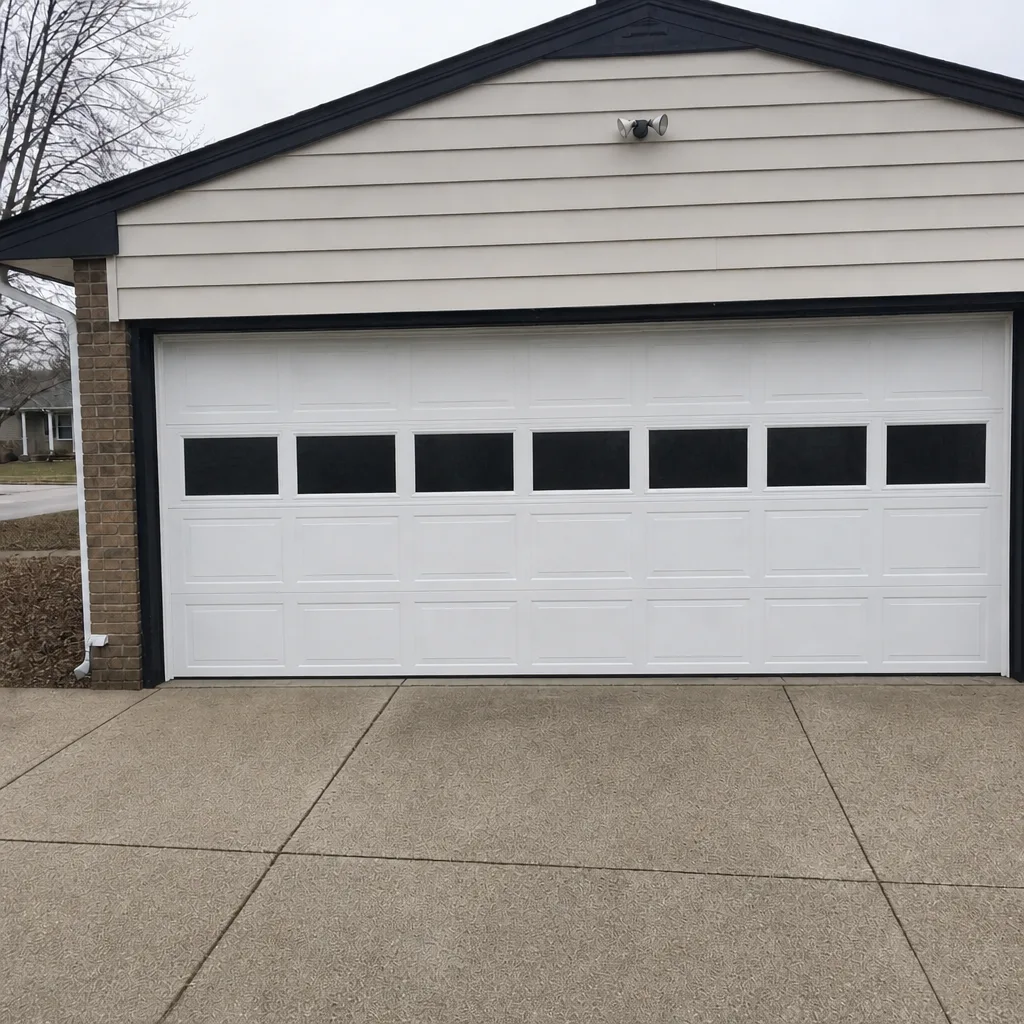
See the difference
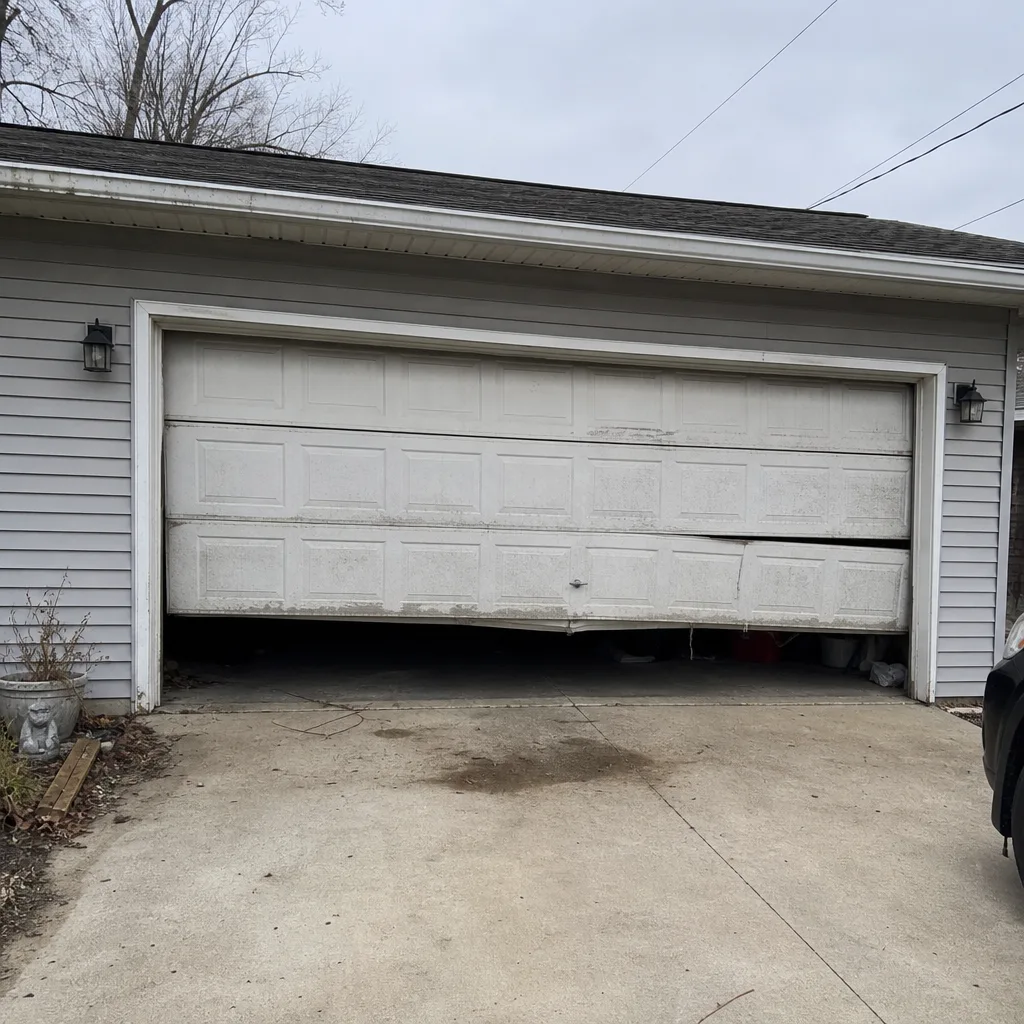 Before
 After
 Before
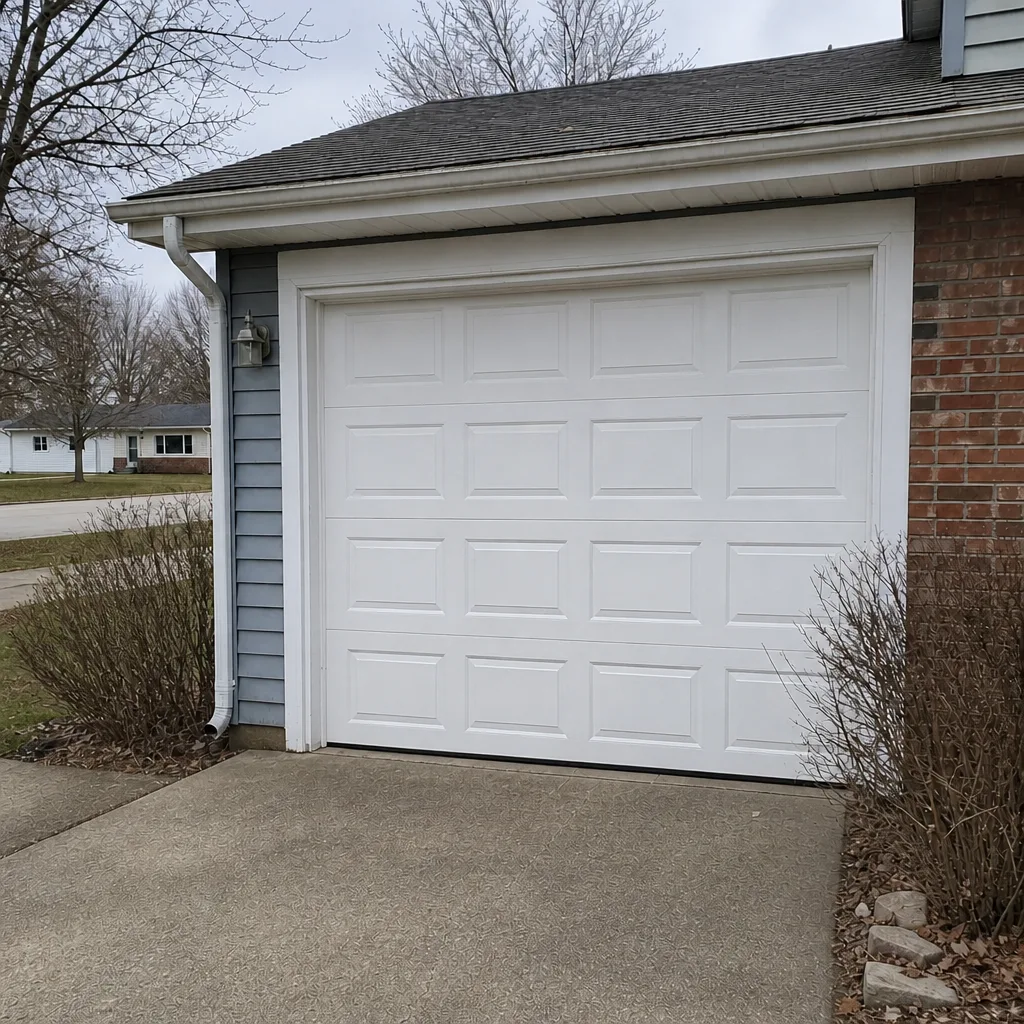 After
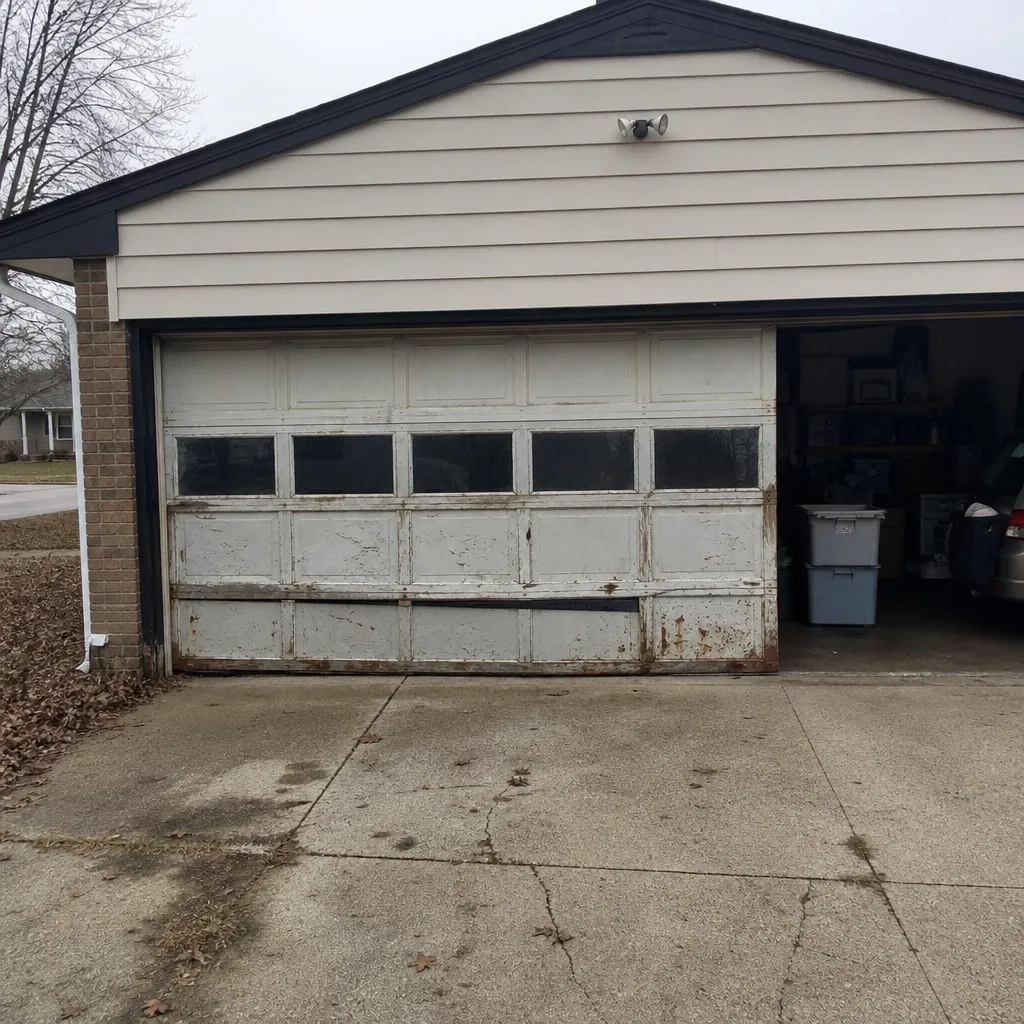 Before
 After
When to Call a Professional
Brand research goes only so far; some situations need a technician on the door. Call us when a spring or cable snaps, because those are dangerous components with serious stored tension and not a task for a homeowner. Call when the opener won’t lift the door or the door won’t stay balanced, which often points to a mismatch or a worn part. Call when the door is stuck open or closed, when a panel is damaged and you need to know whether a matching section exists, or when the brand question is really a repair-vs-replace decision and you need a professional’s read. Garage Door Repair Lawrence Pros offers free estimates in Lawrence, and we work on LiftMaster, Chamberlain, Genie, Clopay, Amarr, Wayne Dalton, Craftsman, and Raynor. Call (844) 681-4256 to talk through your options or to book a spring or opener repair.
Frequently Asked Questions
There isn’t one best brand for every Lawrence home, but a mid-tier insulated model from Clopay or Amarr paired with a LiftMaster or Chamberlain opener is a strong starting point. The right pick depends on your HOA rules, your budget tier, and which brands a local technician can service quickly. Call (844) 681-4256 for an exact quote on the options that fit your home.
Brand matters, but not the way marketing suggests. The tier within a brand and the local availability of its parts usually matter more than the name itself. A well-supported mid-tier door often serves a homeowner better than a poorly supported premium one. Call us and we’ll walk through which brands make sense for your situation.
We service LiftMaster, Chamberlain, Genie, Clopay, Amarr, Wayne Dalton, Craftsman, and Raynor. That range covers most systems a homeowner is likely to have. If your door is one of those brands, we can talk through repair, replacement, or installation options. Call (844) 681-4256 to confirm your model.
It can, because many HOAs regulate color, panel style, and window treatments before brand names matter. Read your subdivision’s rules first, then pick the brand that offers a door matching those requirements in your tier. Bring the guidelines to the estimate so the specifications stay clear.
You don’t need the same brand, but you do need the opener rated for the door’s weight, and you should confirm whether the warranty terms require a specific pairing. A heavier door on an undersized opener strains both. If the opener is old, replacing both at once often costs less than a second visit later.
Springs, hinges, rollers, and the seal system wear fastest in Indiana’s freeze-thaw swings. Steel gauge and thermal break design also affect how well a door handles the temperature cycling. Ask any technician to point out those components on the model you’re considering. Call (844) 681-4256 for a free estimate.
The Bottom Line
Choosing a garage door brand in Lawrence comes down to three filters, not reputation: local parts availability, performance in Indiana’s freeze-thaw climate, and the tier you’re actually buying within a manufacturer. Match your door to your opener, confirm your HOA rules early, and get written estimates on two or three candidates. That combination lands you on a door that’s easy to fix, ready for the weather, and worth the money. If you want help working through the options, we’ve got the brand knowledge and the local experience to point you at the right system. Call (844) 681-4256 today for a free estimate.
Written by the team at Garage Door Repair Lawrence Pros.